
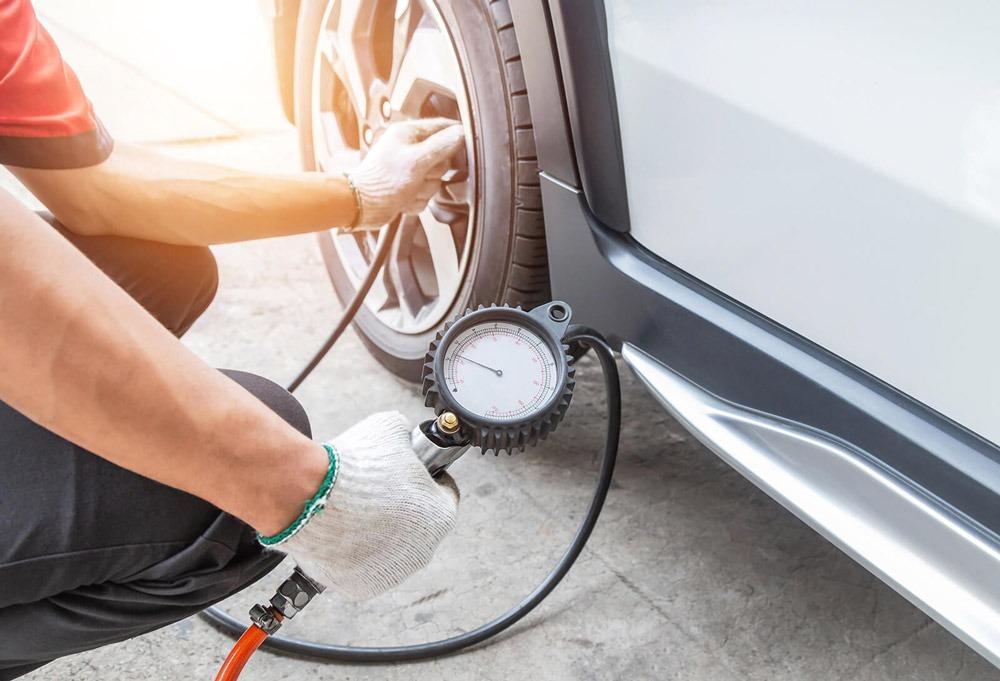
A hole in the tire may be the cause of low tire air. The hole occurs as a result of friction with sharp objects such as glass or nails, causing air leakage. Air may also leak from the tire valves due to wear or damage. Despite these direct causes, if the tire is not installed correctly, air leakage occurs from the sides, which also causes low air. Air pressure in tires can also decrease due to low temperature.
You should know that a lack of tire air can lead to increased road resistance, which raises fuel consumption. A lack of pressure can cause uneven tire wear, reducing its lifespan. More seriously, it affects vehicle control, increasing the likelihood of accidents. Therefore, it is important to regularly check tire pressure and adjust it according to the vehicle manufacturer's recommendations. If the problem recurs, the cause of the tire air loss should be identified to prevent it from happening again. It should be detected as soon as it occurs.
What are the risks of low tire pressure?
Insufficient tire pressure can lead to a range of risks and problems that may affect vehicle performance and safety. These risks include the following:
- Increased fuel consumption occurs because low tire pressure increases road resistance, requiring the engine to work harder to propel the vehicle, thus leading to increased fuel consumption.
- Lack of air can cause uneven corrosion For the frame Where the tire may wear out Speeding up on the sides while keeping the center in good condition can reduce tire life and increase cost. Replace it
- Low-pressure tires can affect a car's ability to handle corners well and, in some cases, cause loss of vehicle control.
- This leads to an increase in tire temperature due to friction, which increases the risk of it bursting, a significant danger while driving.
- Insufficient tire pressure can affect braking system performance, potentially increasing stopping distance and making driving less safe in emergency situations.
To maintain your safety and the performance of your vehicle, it is important to regularly check the air pressure in your tires and adjust it according to the vehicle manufacturer's recommendations.
Qozom Car Auto Parts Store presents to you The best tires for your car are Nexen tires.
What is the reason for low tire pressure?
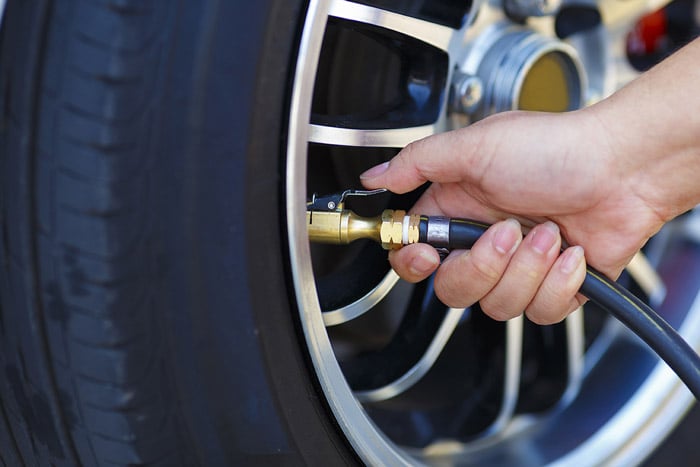
Why does tire pressure drop? Tire pressure drops due to insufficient tire air, which can be caused by several factors. It's important to identify the cause of low tire air, address it immediately, and try to prevent it from happening again. These causes include:
- A small puncture or tear in the tire can occur as a result of friction with sharp objects such as nails or glass, causing air leakage.
- Air leaks from tire valves due to corrosion or damage cause a drop in pressure.
- Problems with properly fitting the tire to the rims cause air leaks from the sides.
- Significant temperature changes, especially sudden drops, can lead to a decrease in tire pressure. As the weather gets colder, the air inside the tires contracts and its pressure decreases.
- If the tire rim is not securely fastened to the rim, or if there is a buildup of dirt or rust, this can cause air leaks.
- Tires can wear out and become less able to maintain pressure, leading to air loss.
- If a tire deflates for no apparent reason, there could be manufacturing defects causing the air leak.
It is important to check the tires regularly to ensure there are no problems and to check the air pressure using the tire pressure chart and adjust it according to the recommendations of the car manufacturer.
How can you maintain tire pressure?
To maintain tire pressure and overall tire strength, you can avoid the cause of low tire pressure and detect it early by regularly checking and inspecting your tires before driving. Some important steps should be followed:
- Regularly check tire pressure using a tire pressure gauge. Ideally, do this every two weeks or at least once a month.
Make sure the pressure matches the car manufacturer's recommendations.
- Check your tires before long trips and travel to ensure they are at the correct level that guarantees long-term safety.
- Ensure the tires are properly fitted to the rims and that there are no air leaks. If you have any doubts about the fit, visit a qualified technician to verify it.
- Make sure the tire valves are in good condition and properly sealed, and that they do not cause a loss of tire air from the valves, weakening the tire.
- Avoid overloading your vehicle with weights exceeding the recommended load, as this can affect tire pressure and increase the likelihood of problems.
- Look for signs of wear or tear on the tires and keep them checked regularly for maintenance or replacement.
- If you notice any problems, replace the damaged or worn-out tires.
- Make sure your tires are balanced and your car is aligned regularly, as this negative aspect will lead to uneven tire wear and affect air pressure.
- Avoid driving on rough roads or in areas containing stones or nails, as these can damage tires and cause air leaks.
- If you are storing the car for a long time, make sure to check the tire pressure before use and that the tires are not underinflated.
The reason for low tire pressure is due to several different and multiple factors that must be avoided and kept in mind. You should always follow the previous advice, through which you can maintain air pressure in the tires and ensure better performance and higher safety for your car.
Qozom Car Auto Parts Store presents to you The best tires for a car are Prinx tires.
How do I know if a tire is low on air?
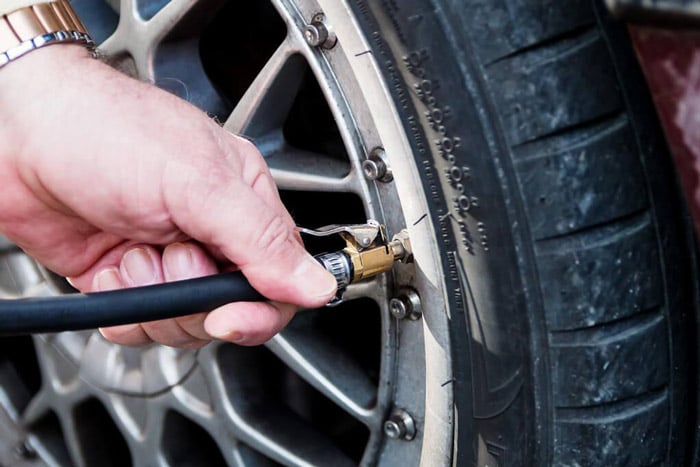
Every driver should be thoroughly familiar with knowing the cause of low tire pressure, what a low tire looks like, and how to detect it. There are several signs that indicate a car tire may be low on air:
- A decrease in driving performance: If you feel the car is not responding as it should, or that the driving has become heavy or unbalanced, this could be due to low air in one of the tires.
- Car drifting: If your car starts to drift to one side while driving without any intervention from you, it could be due to uneven tire pressure.
- Abnormal vibrations in the steering wheel, especially at high speeds, if one of the tires is underinflated.
- Warnings appear on the dashboard, and most modern cars are equipped with a tire pressure monitoring system (TPMS). If there is a lack of air, a warning signal will appear on the dashboard.
- Visual inspection: If you notice that one of the tires looks flat or is softer and looser than the other tires, this indicates a lack of air.
- If you notice an increase in fuel consumption, you should suspect underinflated tires, as this increases rolling resistance, leading to increased fuel consumption.
It is important to check tire pressure periodically using a tire pressure gauge to ensure it is appropriate and to avoid any problems while driving. Constant monitoring and smart observation of tires are necessary to maintain the safety of the vehicle and passengers.