
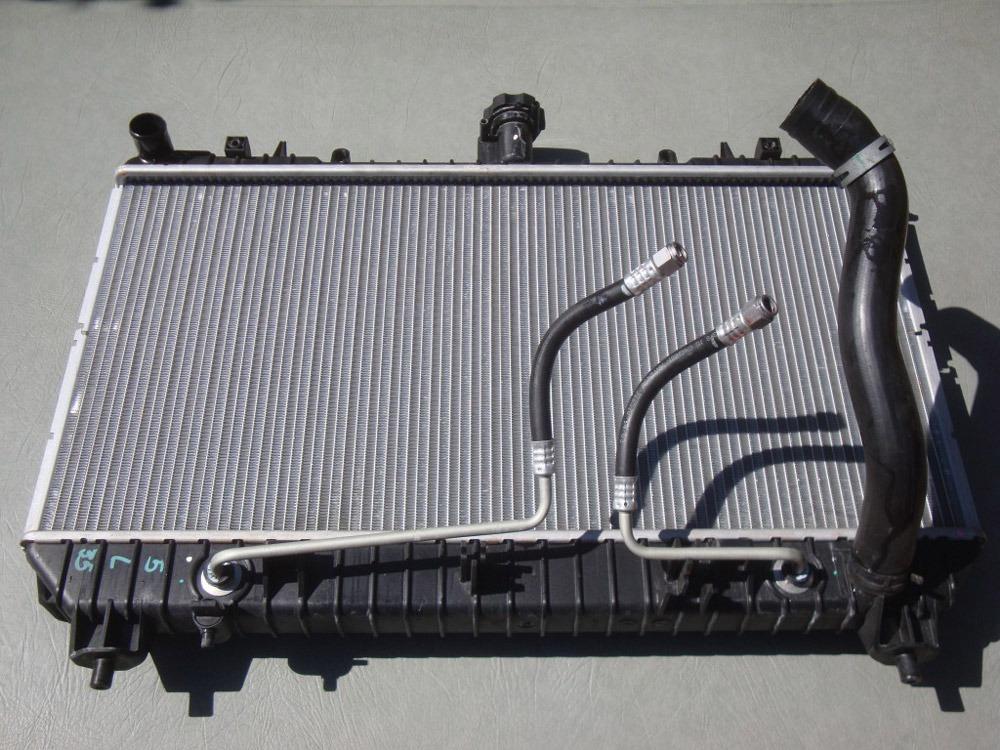
The reason for the radiator cartridge explosion must be known because periodic maintenance is essential to maintaining the engine's performance and the car's efficiency. The radiator, also known as the engine cooler, is an essential part of the car's cooling system. Its main function is to regulate the engine's temperature to maintain its performance and efficiency.
The radiator cools the coolant that flows through the engine when it heats up. The hot coolant is circulated to the radiator where it is exposed to the air that cools it. The radiator usually consists of a network of pipes or metal plates that help increase the surface area for heat exchange between the coolant and the air. Radiator maintenance is an important part of maintaining engine performance, and this includes checking the coolant level, making sure there are no leaks, and cleaning the radiator regularly to ensure it works effectively.
The radiator hose, also known as the cooling pipe, is part of the car's cooling system. Its main function is to transfer coolant between the radiator and other parts of the cooling system, such as the engine and pump. But what do you do when you encounter a problem like a radiator hose bursting? This type of problem causes significant damage to the car's engine, so it's essential to understand the cause of the radiator hose bursting and the best solutions to avoid and resolve this issue.
What causes a radiator cartridge to explode?
The cause of a radiator cartridge explosion could be due to several reasons, including:
- Overheating can occur if the engine is running at high temperatures due to a lack of coolant or a malfunction in the cooling system. This leads to increased pressure inside the radiator and the cartridge exploding.
- If there is a fault in the radiator's pressure relief valve, it will cause excessive pressure to build up and lead to the cartridge exploding.
- Corrosion or leaks in the radiator cartridge cause it to weaken and increase the likelihood of it exploding.
- Lack of regular maintenance of the cooling system, such as not changing the coolant regularly or not inspecting the system, can lead to problems that may result in an explosion. cartridge
- Using an unsuitable or poor-quality cartridge can cause problems with its pressure and temperature resistance.
If you are having trouble figuring out why your radiator cartridge exploded, it is best to thoroughly inspect your cooling system and fix any problems as soon as possible to avoid further damage.
What causes radiator water to leak from the cartridge?
Radiator water leakage from the cartridge is caused by the following reasons:
- Corrosion or tearing of the radiator cartridge due to extreme heat or exposure to environmental elements may cause water leakage.
- Damaged or leaking cartridge connections that link it to other components such as the radiator or pump
- If there is excessive pressure in the cooling system due to a faulty pressure relief valve or a system malfunction, this will cause water to leak from the cartridge.
- Water leaking from other parts of the cooling system can collect on the cartridge and cause it to corrode.
- If the cartridge is not installed correctly, it may lead to water leakage.
- Damage to the clips or hoses that hold the cartridge in place may cause it to come loose or be damaged, resulting in water leakage.
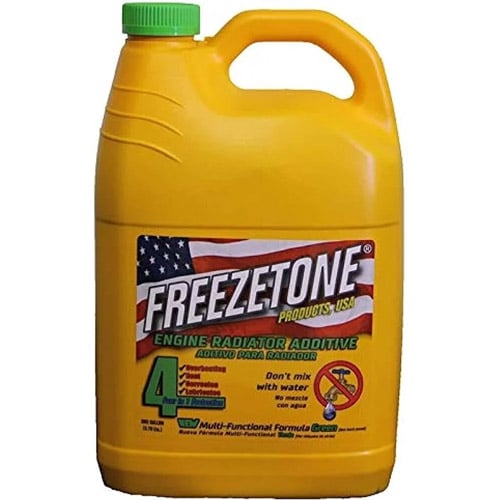
After determining the cause of the radiator hose explosion, it's essential to identify the leaking water to maintain a healthy cooling system. Regularly inspect hoses and clamps, replace any damaged or loose parts, and use Freestone Green Radiator Coolant , which protects the engine, water pump, hoses, thermostat, radiator, and radiator cap .
Cause of radiator hose swelling
A bulging radiator cartridge can occur due to various reasons and is just as dangerous as a radiator cartridge exploding. The reasons are:
- Excessive pressure: If there is an increase in pressure within the cooling system due to a faulty pressure relief valve or a problem with the radiator, this leads to the cartridge swelling.
- High temperatures due to the engine operating at excessively high temperatures cause the fluid within the system to expand and the pressure to rise, leading to the cartridge swelling.
- Air leaking into the cooling system can cause bubbles to form inside the fluid, leading to increased pressure and cartridge swelling.
- A blockage in the pipes or components of the cooling system can prevent the fluid from flowing properly, leading to pressure buildup in the cartridge and its swelling.
- If the cartridge itself is damaged or defective, this may lead to swelling due to its inability to withstand pressure and heat properly.
- Water pump problems: If the water pump is malfunctioning, it will cause insufficient fluid flow and result in increased pressure in the system.
If you notice a bulge in the radiator cartridge, it is best to thoroughly check the cooling system and consult a qualified technician to repair any problems that may be present.
What causes the radiator cartridge to shrink?
The reason for the radiator cartridge shrinking is a drop in temperature when the engine is being cooled, and the pressure inside the cooling system drops, which can cause the radiator cartridge to shrink if there is not enough fluid to completely fill the system.
Another reason for radiator cartridge shrinkage is a lack of coolant. This causes a drop in pressure within the system and shrinkage of the cartridge. Leaks in any part of the cooling system can also lead to a drop in coolant level and shrinkage. The cartridge is damaged due to insufficient pressure.
If the pressure relief valve in the radiator or cooling system is not working properly, it may cause a drop in internal pressure and cause the cartridge to shrink. Another reason for the radiator cartridge shrinking is the entry of air into the system and its effect on the pressure inside the system, which leads to the cartridge shrinking.
Sometimes damage or cracking of the cartridge itself can cause it to shrink because it cannot withstand pressure and heat properly. If you notice shrinkage in the radiator cartridge, it is best to check the cooling system and make sure that there is enough coolant and that all parts are working properly.
How to change the radiator cartridge
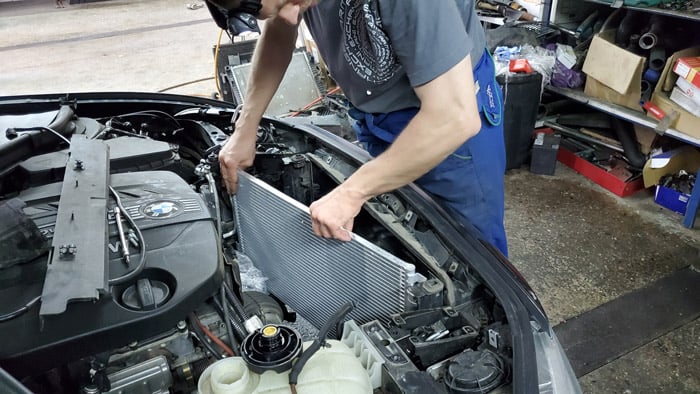
Changing the radiator cartridge involves the following steps:
- Prepare the tools and materials: a new radiator cartridge, a wrench, a container to collect the old coolant, some clean cloths or towels, and the new coolant.
- Turn off the car. Make sure the car is off and the engine is cold before starting work.
- Slowly unscrew the radiator cap to release any remaining pressure, but make sure the engine is cool to avoid the risk of hot fluid.
- To drain the coolant, place a container under the radiator and locate the drain valve at the bottom of the radiator. Open it to drain the old coolant.
- If there is no drain valve, you can remove the old radiator cartridge directly, but be sure to collect any leaking fluid.
- Then remove the old cartridge. Loosen the clips or fasteners that hold the cartridge in place using a wrench.
- Gently pull the cartridge out of its place; you may need to move it slightly to make it come out easily.
- Clean the surfaces that come into contact with the old cartridge to ensure there is no dirt or residue that could affect the installation of the new cartridge.
- Install the new cartridge in place and make sure it is properly attached.
- Secure the clips or ties tightly
- Fill the radiator and expansion tank with new coolant, making sure to use the type recommended by the manufacturer.
- Remove air bubbles by starting the engine and letting it run for a while until it warms up, then check the coolant level and add more if necessary.
- Check for any leaks around the cartridge and make sure there are no air bubbles in the system.
- After confirming there are no leaks and the coolant level is correct, close the radiator cap tightly.
- Drive the car for a short time, then check the coolant level again and add more if necessary.
- Be sure to check your car's manual as there may be some differences depending on the car model.
We have previously learned about the reason for the radiator hose exploding, when the radiator hose should be changed, what makes a car radiator explode, and how to solve the problem of air pressure in the radiator.