

Regularly cleaning the car radiator is an important procedure due to the accumulation of deposits and dirt inside the radiator or in the pipes through which the coolant flows. This hinders the flow of the coolant and reduces cooling efficiency. Blockage usually occurs in the fine pipes due to the accumulation of dirt, which affects the coolant circulation and leads to an increase in engine temperature. However, when the radiator is clean, it works more efficiently because it allows the coolant to flow better and helps to cool the engine effectively. Also, because the coolant reacts with the metals in the radiator and leads to corrosion or rust in the pipes, it must be cleaned and the coolant replaced regularly and periodically.
Regularly cleaning the car radiator helps maintain the ideal engine temperature, reducing the risk of premature damage or major engine failures. This procedure is part of routine maintenance to ensure the cooling system continues to operate efficiently and to protect the engine from overheating.
The importance of cleaning the car radiator
The car radiator is an essential part of the engine's cooling system. Its main function is to dissipate the excess heat generated by the engine during operation. The radiator works by circulating coolant (usually water mixed with antifreeze) through thin tubes in a metal mesh, where the air flowing through the radiator while the car is moving cools this coolant.
The coolant returns to the engine to cool the internal parts again, which keeps the engine temperature within a safe range and prevents it from overheating. Cleaning the radiator ensures the coolant flows freely and continuously, which maintains the system's ability to cool the engine effectively and also helps prevent the accumulation of dirt and deposits inside the radiator, as this reduces the cooling capacity, which can lead to the engine overheating, and this can cause damage to important engine parts.
Cleaning the car radiator reduces the likelihood of rust or corrosion in the pipes and prolongs the radiator's life. The engine will also operate at suitable temperatures, thus extending its lifespan. Blockage or damage to the system may cause bigger problems that may require costly repairs such as replacing the radiator or even repairing the engine. Therefore, the car radiator should always be cleaned regularly.
Qozom Car Auto Parts Store presents to you Best Amzoil Red Radiator Water 3.78 Liters
Tools needed to clean a car radiator
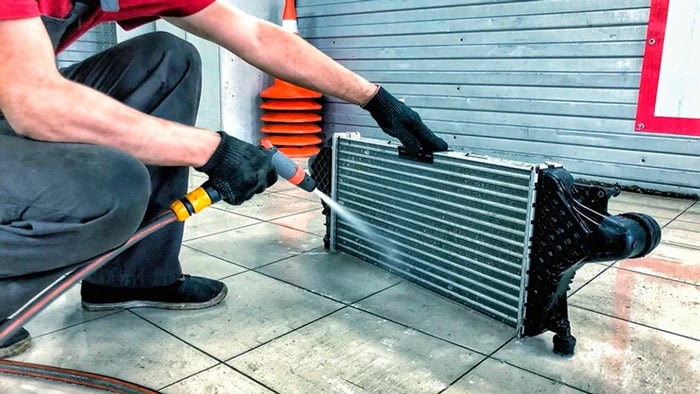
What tools are needed to clean a car radiator? They are a set of essential tools and supplies, including:
- Distilled water for use in rinsing and cleaning the radiator and preventing limescale buildup.
- Radiator flush is a special product designed to remove accumulated deposits and impurities inside the radiator.
- Container for draining old liquid
- Water hose for rinsing the radiator from the outside
- Wrenches and screwdrivers for opening the radiator cap and loosening pipes or screws related to the cooling system.
- Protective gloves to protect your hands from coolant and any potentially harmful chemicals.
- Cloths or towels to clean the surrounding areas and dry the spill.
These tools and supplies will help you clean your car radiator effectively, quickly and easily. You can get them, along with the best types of coolant and radiator water, effectively and safely from Qazum Car Parts and Car Accessories Store, with the best quality and cheapest price.
Steps to clean your car radiator correctly
What are the best ways to clean a car radiator and what are the steps?
You can complete the task easily and quickly by following these steps:
- Stop the car and let it cool down. Make sure the engine is cool before starting to avoid burns.
- Open the radiator cap slowly to relieve pressure if there is any remaining pressure inside the radiator.
- To drain old coolant, place a container under the radiator and open the drain valve to empty the old coolant.
- Close the valve tightly after the liquid has been completely drained.
- Clean the radiator with flush or add radiator cleaning fluid. Fill the radiator with cleaning fluid according to the instructions on the container.
- Start the engine and let it run for a while to allow the cleaning fluid to circulate within the system.
- Turn off the engine and let it cool down again.
- Drain the cleaning fluid. Repeat the draining process to empty the cleaning fluid.
- Rinse the radiator using distilled water or a water hose to rinse the radiator internally several times until you are sure it is completely clean of any remaining dirt or rust.
The previous steps are professional in cleaning the radiator from rust, dust and sticky dirt. Attention should also be paid to the step of cleaning the radiator from the outside. Use the best radiator rust remover from Qazum store. There are other options such as washing the radiator with a device.
How to refill a car radiator with coolant
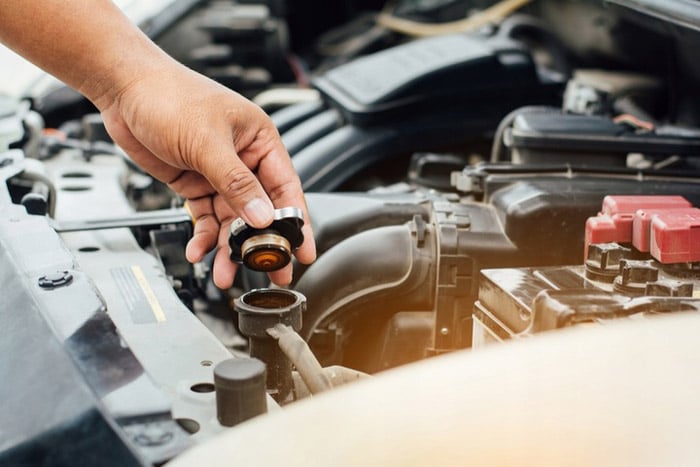
- Stop the car and let it cool down. Make sure the engine is cool before starting to avoid burns from high pressure or hot fluid.
- Open the lid slowly to release the pressure, and it is recommended to use a cloth to protect your hands while opening.
- Drain the old coolant if there is any old or contaminated coolant. This should be drained first by opening the drain valve at the bottom of the radiator and placing a container to collect the coolant.
- Close the drain valve after draining the old fluid. Make sure the valve is closed tightly to avoid any leaks.
- Preparing the coolant: If using concentrated coolant, mix it with distilled water at a ratio of 50:50 according to the manufacturer's instructions.
- Pour the new coolant slowly into the radiator opening until it is full, and gently squeeze the hoses to expel any trapped air bubbles.
- Fill the expansion tank and make sure it reaches the specified mark (FULL or MAX).
- Start the engine and let it run for a few minutes to allow the fluid to circulate in the system and expel any air bubbles.
- After running the engine for a short time, turn it off and wait until it has cooled down completely.
- Check the coolant level in the radiator and expansion tank after the engine has cooled down, and add more if necessary.
- Close the radiator cap tightly and ensure the system contains the correct amount of fluid.
- Check for leaks and inspect the radiator and hoses for any leaks after starting the engine.
From the above, we learned how to clean the radiator and change the coolant. By following these steps, you can refill the car radiator with coolant correctly to ensure the system works efficiently and powerfully.