
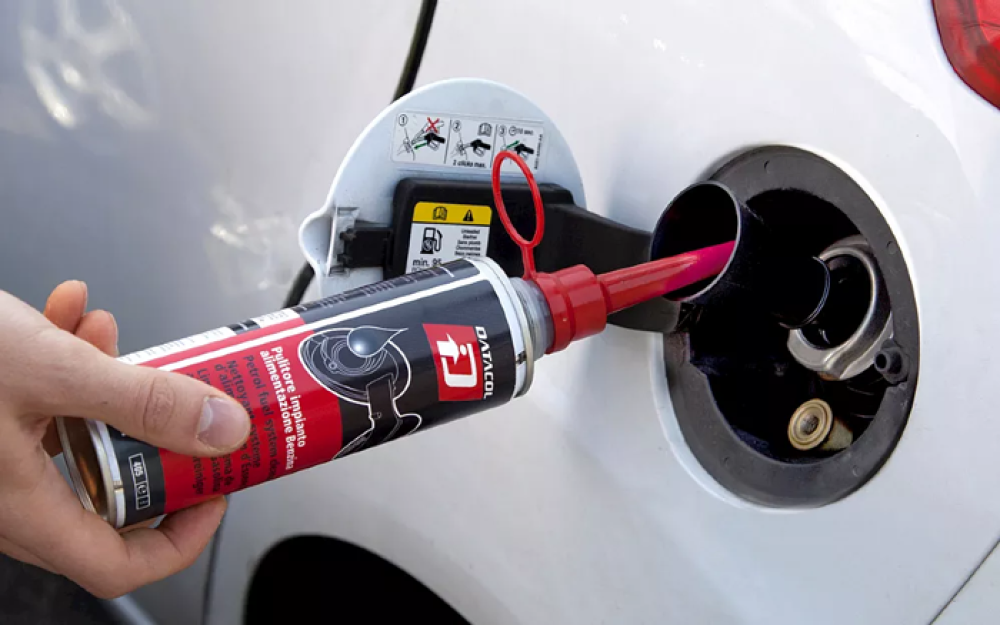
Cleaning the fuel system in cars is the process of removing accumulated deposits and dirt from the fuel system to improve engine performance. This system includes several components such as the fuel tank, pump, pipes, injectors, and intake valves, all of which work together to ensure the engine is properly fueled and to improve fuel consumption. Cleaning helps improve fuel efficiency, which leads to a reduction in the amount of fuel the engine uses and an increase in its performance. Cleaning removes deposits that impede the smooth flow of fuel and reduces harmful emissions from the engine due to incomplete fuel combustion. It also helps reduce wear and friction within engine components. The fuel system cleaning method involves using fuel additives added to the fuel tank. These additives help dissolve deposits and harmful substances within the system. There is also mechanical cleaning, which uses specialized equipment. When should the fuel system be cleaned? It is recommended to clean the fuel system every 20,000 to 30,000 kilometers or if any symptoms are observed, such as reduced engine performance or increased fuel consumption.
The importance of regular cleaning of the fuel system
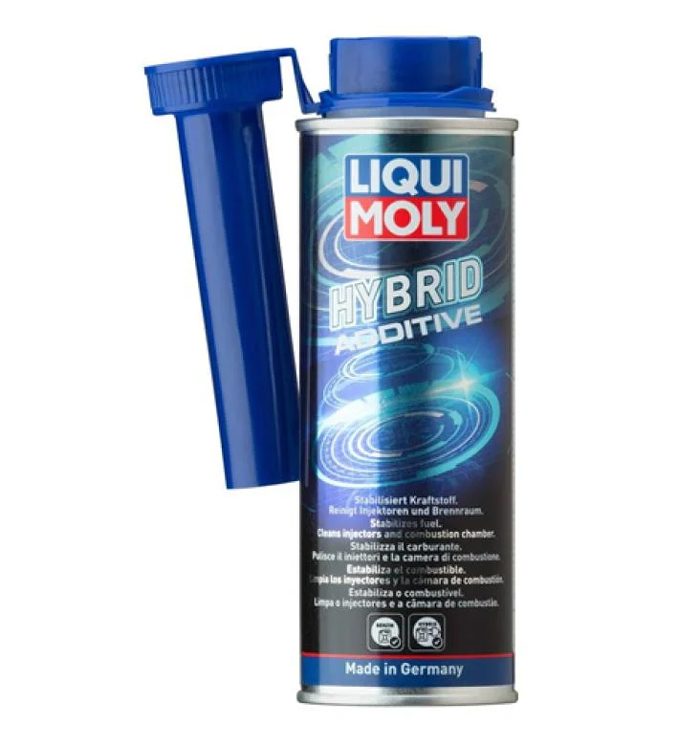
Regular cleaning of the car's fuel system is crucial for maintaining engine performance and overall vehicle efficiency.
The car offers several advantages that make it an important procedure to perform periodically, and this importance is evident from the following:
- It improves fuel efficiency. Over time, deposits accumulate in the fuel system, leading to reduced fuel efficiency. Regular cleaning helps remove these deposits, allowing the engine to operate more efficiently and reducing fuel consumption.
- The accumulation of dirt and deposits in the fuel system can affect fuel flow to the engine, leading to poor performance. Regular cleaning removes these obstructions, allowing the engine to run more smoothly and powerfully.
- Reducing harmful emissions is important because the buildup of deposits can lead to incomplete fuel combustion, increasing harmful emissions from the exhaust. Cleaning the gasoline system helps improve combustion and reduce emissions.
- Maintaining engine life is important because dirt and deposits can damage components over time, but regular cleaning keeps the fuel system clean and reduces wear and friction inside the engine, thus extending its life.
- The buildup of deposits can lead to blockages in injectors or pipes and cause major engine problems requiring costly repairs. Cleaning the fuel system helps prevent these problems and keeps your car in good condition.
Cleaning your car's fuel system is an important investment to maintain your car's efficiency and performance and helps avoid potential problems that could be costly in the long run.
When should the fuel system be cleaned?
Cleaning the fuel system should be done periodically or when certain symptoms appear that indicate the need for cleaning. There are many tips that explain how to clean the fuel system and when it should be cleaned, including:
- It is recommended to clean the fuel system every 20,000 to 30,000 kilometers. This helps maintain the efficiency of the fuel system and prevents the buildup of deposits that can affect engine performance.
- If you notice a decrease in engine performance, or if you start to notice that the car is losing its ability to accelerate normally, or that the engine is running roughly.
- If fuel consumption increases without a clear reason, this is due to the accumulation of deposits in the fuel system, which requires cleaning.
- If your car has difficulty starting, especially in the morning or after a period of inactivity, the cause may be dirt buildup in the fuel system.
- If you notice that the car has started emitting more smoke than usual from the exhaust, especially when pressing the accelerator pedal, this calls for cleaning.
Even if none of the symptoms mentioned appear, preventative cleaning of the fuel system as part of routine car maintenance can help avoid future problems and maintain the overall performance of the car.
How is the fuel system cleaned?
How to clean the fuel system is one of the most important procedures to know, and it can be done in several ways, including using special cleaning products that can be added to the fuel tank, or by having a thorough cleaning done at a service center by a professional. These are the steps:
- Use a fuel system cleaner or fuel additive.
- Choosing the best fuel system cleaner is essential for maintaining engine efficiency, and you can purchase a specialized fuel system cleaner from a reputable auto parts store like Qozom Car. At the best price and quality , make sure to choose a high-quality product suitable for your car's fuel type (gasoline or diesel).
- Add the cleaner to the fuel tank and follow the instructions on the container.
- The cleaner is added to the fuel tank when it is full or nearly full.
- Fuel mixed with detergent helps clean injectors, valves, and other parts of the fuel system.
- It may take a few days or a few tanks of fuel to see the full results.
If the fuel system needs a deeper cleaning, you can go to a specialized maintenance center where the fuel system is cleaned using tools and equipment to thoroughly clean the system.
What is the best fuel system cleaner?
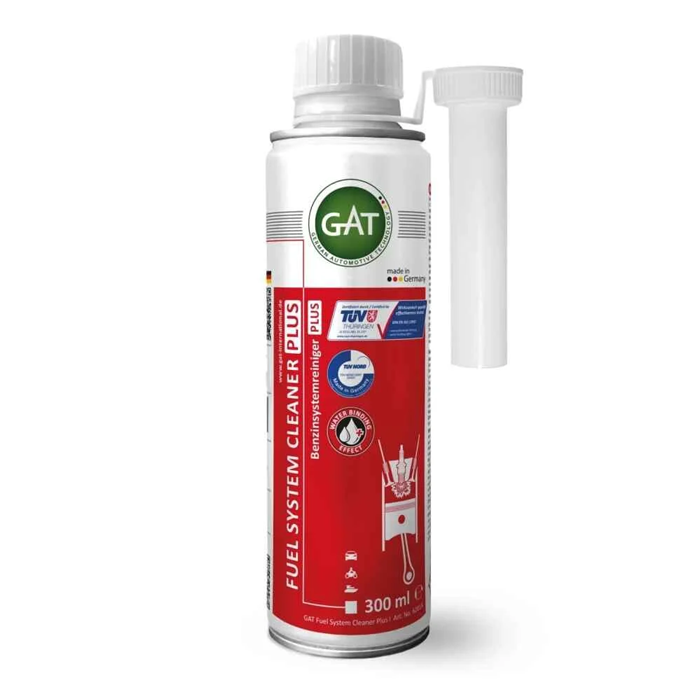
When purchasing a fuel system cleaner, it's essential to know the specifications of the best option. Consider several factors that ensure the product's effectiveness in cleaning the fuel system and improving vehicle performance. These include cleaning effectiveness and the removal of deposits and impurities. The cleaner should be able to dissolve and remove accumulated deposits inside injectors, valves, and combustion chambers. It should also be able to effectively clean fuel injectors to improve fuel flow, ensure complete combustion, and enhance engine performance. Cleaning the fuel system improves fuel efficiency by following proper cleaning steps and using high-quality cleaners. A fuel system cleaner for Mitsubishi improves your car's performance and effectively sanitizes and purifies the fuel system. This enhances engine performance and strengthens it, thus improving fuel consumption. Furthermore, reducing harmful exhaust emissions by improving fuel combustion is one of the most important benefits of cleaning the fuel system.
GAT Plus German-made fuel system cleaner, 300ml, is versatile and works well with both gasoline and diesel engines.
The fluid must contain components that reduce friction inside the engine, thus protecting moving parts and extending engine life.
The fluid should also provide protection against corrosion and rust within the fuel system. One of the specifications of the American gasoline system cleaner and the Saco fuel system cleaner is ease of use, and the instructions on the package are easy to understand and apply. This makes the use process simple. One of the specifications of the Toyota fuel system cleaner is direct addition to the fuel tank, and it is preferable that the fluid be ready for use by adding it directly to the fuel tank without the need for additional tools or equipment.
Working at different temperatures is one of the most important specifications of the ideal fluid, as it must be effective in a wide range of temperatures from cold to hot conditions. The fluid should be from a well-known and trusted brand in the market with positive user reviews and previous experiences. It is preferable to choose a container that contains the appropriate quantity according to the size of your car's fuel tank, such as Redline Complete Fuel System Cleaner, which is an innovative and effective product that aims to improve the performance and efficiency of the fuel system and works to remove deposits and impurities that accumulate in the fuel tank. By choosing a fuel system cleaner that meets these specifications, you can maintain the efficiency and performance of your car, which helps to reduce fuel consumption, increase engine life, and improve overall performance.