
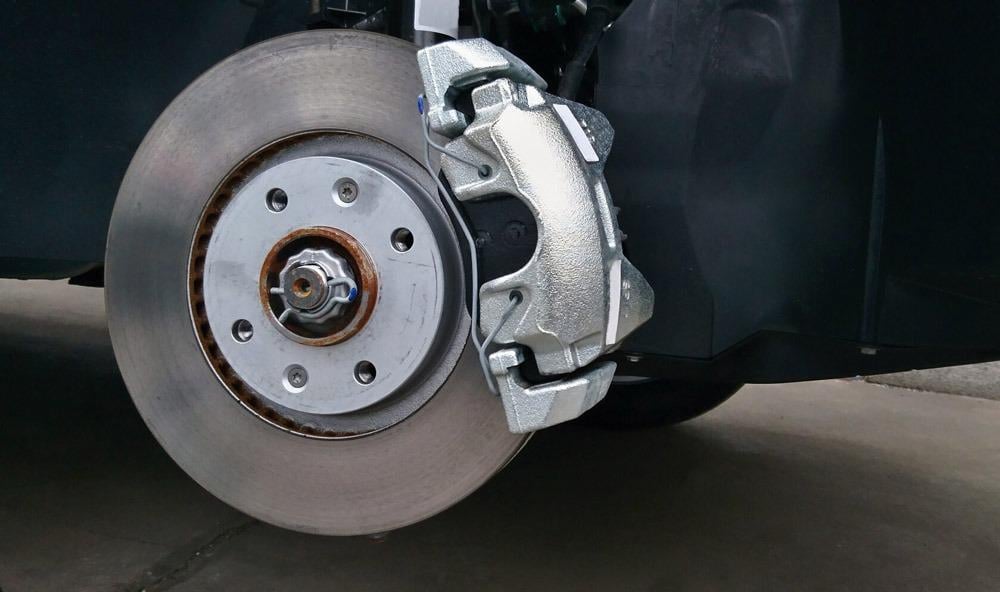
Brake rotor resurfacing is a process in which the surface of brake rotors (brake discs) is resurfaced using a specialized machine to remove the worn or uneven layer. The goal of this process is to renew the rotor surface to ensure even contact between it and the brake pads, which leads to improved brake performance.
The rotor machining process is of great importance because it removes the distortions that occur due to the passage of time with continuous use of the brakes. This exposes them to distortion or uneven wear. The machining process removes these distortions and restores the rotors to their ideal condition. One of the benefits of rotor machining is that it treats worn rotors that lead to poor brake performance or uneven stopping. The machining process restores the rotors to their flat surface to support safe braking.
What are hoops and what is their importance?
Brake rotors are the metal discs used in the braking system (disc brakes) of cars, also known as brake discs. They are mounted on the wheel hub and are directly connected to the wheels. When the brake pedal is pressed, the caliper is pushed against the rotor, causing friction between the caliper's lining and the rotor. This friction slows the car down or causes it to stop. The importance of brake rotors lies in their being an essential part of the braking system, which is one of the most important safety systems in a car. They contribute to effectively slowing the car and preventing accidents. High-quality, durable rotors are necessary to ensure high braking efficiency, improving car performance and reducing stopping distance. One of their most important benefits is that they help provide the driver with better control of the car, especially in emergency situations, when driving on difficult roads prone to skidding, or when an emergency stop is absolutely necessary. Rotors are made of durable materials because they can withstand the heat and pressure resulting from repeated braking. What does rotor machining mean? Rotor machining means processing, smoothing, and precisely fitting the rotors to significantly improve braking performance.
Qozom Car Auto Parts Store presents to you Best front brake rotors for Corolla 2020
What are the types of hoops?
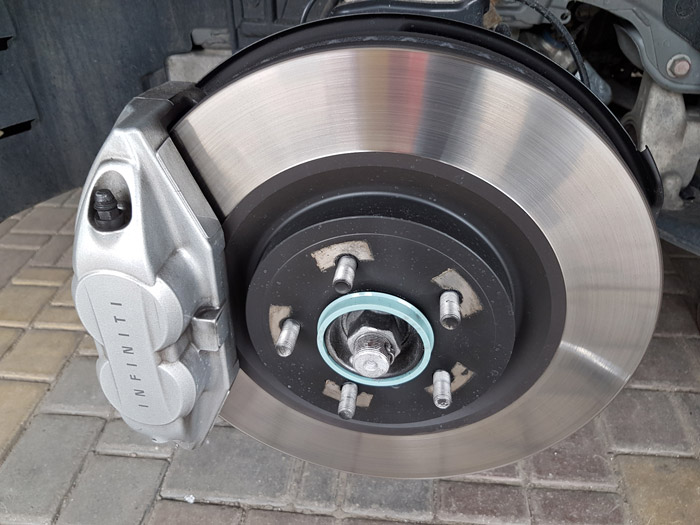
Brake rotors are available in different types, and each type is designed to meet specific vehicle needs based on performance and the conditions in which they are used, including:
- Solid brake discs are the simplest type of brake disc, consisting of a single disc without holes or slots. They are strong, durable, and perform well in standard cars.
- Drilled brake discs have holes drilled across their surface that help dissipate heat more quickly and allow dust and water to drain away, thus increasing braking performance in wet conditions.
- Slotted brake discs have shallow grooves on their surface. These grooves help remove dust and gases that may accumulate between the brake pads and the disc, thus improving contact and braking efficiency.
- Drilled and slotted brake discs combine holes and slots on the same disc.
- Ventilated brake discs consist of two parallel discs with air gaps between them, designed to improve rotor cooling and reduce overheating during repeated braking, making them common in high-performance cars.
- Ceramic brake discs are made from a mixture of ceramics and metals to provide strong performance at high temperatures, longer lifespan, and reduced brake dust.
Choosing the right type of hub depends on the type of vehicle and driving conditions. Regular cars may work well with solid or vented hubs, while sports cars or vehicles used in harsh conditions may need perforated or serrated hubs to improve performance.
Qozom Car Auto Parts Store presents to you Best front brake rotors for the 2018-2020 Avalon
When are the rotors machined?
When should brake rotors be machined, in what situations is it necessary, and how do I know if a rotor needs machined? In other words, what are the signs that indicate a rotor needs machined? Rotors are machined in several situations where a car needs them machined to ensure good braking performance and the required safety while driving, such as:
- A vibration or shaking in the steering wheel when braking: If you feel a vibration in the steering wheel or the car when applying the brakes, this may indicate that the rotors are worn or uneven, and they should be machined to correct the problem.
- Hearing abnormal noises while braking, such as whistling, humming, or any other unusual sound when using the brakes, may indicate that the brake rotors need to be machined to remove the worn layer causing these noises.
- Uneven wear on the rotor surface appears over time and affects braking effectiveness. Here, the resurfacing process helps to re-level the surface and remove the uneven wear.
- When the rotors become excessively worn, their thickness decreases to the point where they require resurfacing. It is important that the rotor thickness does not fall below the minimum thickness recommended by the manufacturer.
- Brake rotors can be damaged by excessive heat. If they are exposed to a significant rise in temperature due to sporty driving or frequent sudden stops, the rotors may become damaged or deformed, requiring resurfacing.
- When installing new brake pads, it is best to machine the rotors to ensure even contact and optimal braking performance.
It should be ensured that the rotors are still within the recommended thickness limits after the machining process. If the rotors are too thin, it may be better to replace them rather than machining them to avoid risks related to brake performance.
How many times can the rotors be machined?
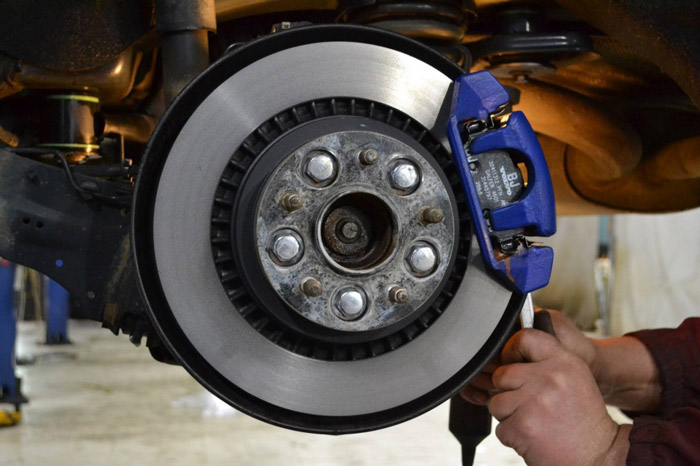
How many times should brake rotors be machined? And how do I know if a rotor needs machined? The number of times rotors need machined depends on the thickness of the original rotors, the amount of wear that occurs after each machined, and the specific recommendations from the vehicle or rotor manufacturer, or the type of machined rotor, such as... Hobat Laser and there are some general guidelines that should be known before deciding to machine the rotors, which are:
- Each hub comes with an original thickness and a minimum thickness that must not be exceeded after machining. This information can be found in the vehicle's manual or on the hub itself.
- If the rotors reach or are close to this minimum, further machining is not recommended and the rotors should be replaced.
- The hubs can be machined two to three times at most if the remaining thickness after each machined operation is sufficient.
- If the rotors wear down significantly each time, the technician may only be able to machine them once or twice before they become too thin.
- High-quality rotors may withstand several more machining operations than cheaper rotors.
It is best to consult a qualified technician to assess the extent of brake rotor resurfacing, the condition of the car's rotors, and to determine whether they can be safely resurfaced or need to be replaced. This will also help you understand the potential risks of rotor resurfacing, when it should not be performed, and when rotor replacement is necessary.
Knowing this information accurately is essential for maintaining the safety of the car and passengers on the road, and for preserving the performance of your vehicle when driving and stopping. Brakes are usually the savior against accidents when stopping suddenly to avoid the mistakes of others or due to a reason for sudden braking. Therefore, the condition of the hub and the process of applying hub resurfacing should be monitored if needed.