
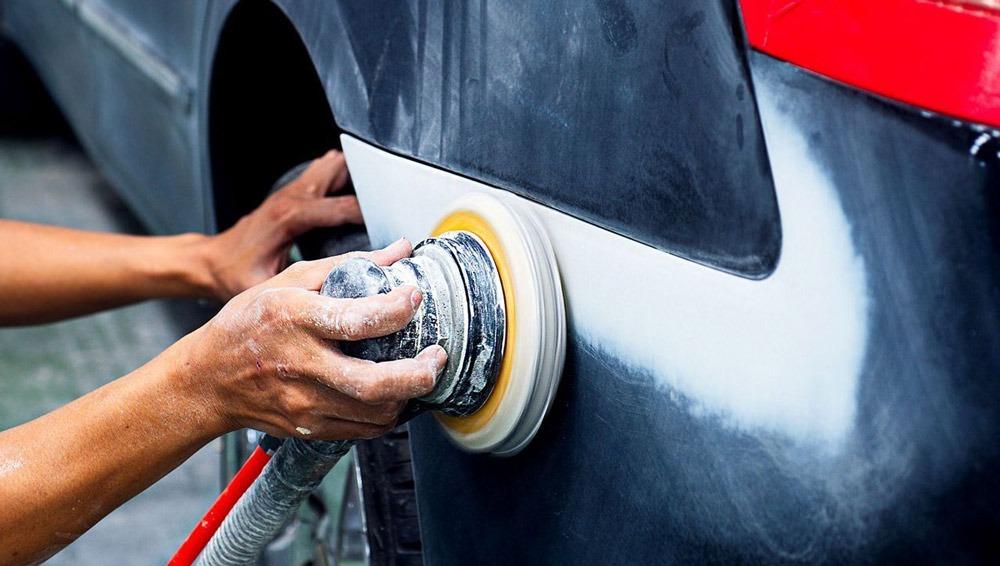
Removing rust from a car is a very important procedure to maintain the car's appearance, extend its lifespan, and maintain strong performance. One of the most important benefits of removing rust from a car is protecting the metal structure, as rust can weaken it, lead to corrosion, and increase the likelihood of damage to important parts. Rust can affect the safety of the car, especially if it affects vital parts such as the undercarriage or the brake system. Therefore, removing rust from a car helps to significantly extend its lifespan and maintain its good performance. It also improves the car's appearance and makes it look new and clean. A rust-free and well-maintained car maintains its market value and can be sold for a higher price compared to a car damaged by rust.
How to remove rust from a car
Removing rust from a car safely and effectively requires some precise tools, materials, and steps. Among the most important tools and materials required are metal sandpaper in different sizes (from coarse to fine), a wire brush, rust remover, rust-resistant primer, car paint that matches your car's color, a clear topcoat for protection, gloves, safety glasses, a clean cloth, and Green tape (for insulation). You will find all of the above in the best quality and most famous brands at Qazum Car Store.
The steps for removing rust from a car, or the steps for working on removing rust from the bottom of a car, are as follows:
- Wear gloves and protective eyewear for protection.
- Wash the area affected by rust to remove dirt and debris, and dry it thoroughly.
- Use adhesive tape to isolate the damaged area to protect it from accidental scratches.
- Remove rust by using a wire brush to remove large layers of rust.
- Use coarse sandpaper to remove rust residue.
- Start with coarse-grit sandpaper, then gradually use thinner grits until you achieve a smooth surface.
- Apply the rust remover to the affected area, following the instructions on the package. It usually requires leaving the product on for a certain period of time before wiping it off.
- After completely removing the rust, wipe the area with a clean cloth to remove any residue.
- Prepare the surface for painting by applying a coat of rust-resistant primer and allowing it to dry completely according to the instructions.
- Gently sand the primer layer with fine-grit sandpaper to achieve a smooth surface.
- Spray or paint the area with car paint that matches its color. You may need to apply several coats to achieve even coverage.
- After the paint has completely dried, spray a clear topcoat for protection and a better shine.
- Make sure all layers are completely dry, then check the work done to ensure the area looks identical to the rest of the car.
Taking care to do the work in a well-ventilated area, and avoiding spraying or painting in humid weather to prevent paint clumping, and in the event that the rust is widespread or in vital places such as removing rust from a car engine, it may be best to seek the help of a car repair specialist. Following these steps will help you remove rust from the car effectively and safely and restore it to its good condition.
Causes and factors that contribute to rust formation on cars
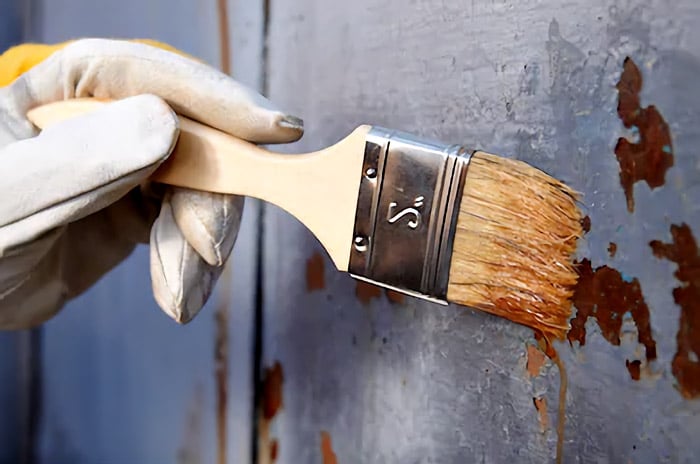
The formation of rust on cars is caused by several factors that react with the metal and lead to its corrosion over time. These factors that lead to rust formation are:
- Exposure to moisture and water is the primary factor in the formation of rust. When metal is exposed to it, it reacts with oxygen in the air to form iron oxide (rust).
- Scratches and damaged paint: Because paint forms a protective barrier on the metal surface, if the paint is scratched or damaged, the metal becomes exposed and more susceptible to reacting with moisture and air.
- Weather and climate: Humid environments or coastal climates increase the likelihood of rust formation due to high levels of humidity and salt in the air.
- Exposure to chemicals such as acids can cause the metal to corrode more quickly upon contact.
- Cars stored in poorly ventilated areas may be subject to condensation, where water collects on the metal surface and leads to rust over time.
The negative effects of rust on cars
Rust has many negative effects on cars, including these effects
- Undercarriage deteriorates around the tires and support pillars, and this deterioration can lead to a loss of structural strength, reducing the vehicle's load-carrying capacity and compromising safety.
- Rust affects moving parts of the car, such as the wheels and brake system. This can lead to a decline in the car's dynamic performance, making it less controllable and stable while driving.
- Rust can affect safety parts in a car such as tires and the brake system, and severe rust can cause these parts to fail, putting the driver and passengers at risk.
- Rust makes a car look old and worn, reducing its aesthetic value and market price.
- Rust causes the need for costly repairs and replacement of corroded parts, increasing maintenance and repair costs.
Therefore, rust should always be removed from the car as soon as it starts anywhere in it because it poses a serious threat to cars, and car owners should be careful to prevent it and treat it as soon as it appears to avoid the negative effects mentioned above.
What is the best material for removing rust from a car?
The best material for removing rust from a car is chemical rust solvents. These materials contain acids that help dissolve rust from the metal surface and are effective in removing rust quickly. However, they must be used carefully according to the manufacturer's instructions. There are also abrasive materials and sandpaper. Sandpaper and wire brushes can be used to remove rust from a car, but they must be used carefully to avoid damaging the paint and underlying metal. There are also special materials containing bitumen and wax that are used to remove rust and form a protective barrier on the surface to preserve the metal. Regardless of the material you choose, it must be used carefully according to the manufacturer's instructions. It is preferable to test it on a small area before using it on the entire car. Necessary precautions should be taken to protect the environment, and gloves and safety glasses should be worn when handling these materials. Qazum Car Store offers you Q12 Rust Remover - Rust Remover Q12, which is the best material for removing rust from a car.
Tips for maintaining your car after rust removal
Tips to follow after removing rust from your car that will help you maintain your car, extend its lifespan, and prevent rust from reforming:
- Thoroughly dry the area after removing the rust. Clean wipes or compressed air can be used to ensure all water residue is removed.
- After removing rust, protective materials such as rust-resistant primer and automotive paint should be applied. These materials help protect the metal surface and reduce the chances of corrosion recurring.
- Wash your car regularly to remove dirt and contaminants that can lead to paint corrosion and rust formation.
- Try to keep the car in a dry environment as much as possible and avoid storing it in humid places or where water accumulates.
- Regularly inspect your car for any new signs of rust and deal with them quickly before the corrosion spreads.
- If it is not possible to apply primer and paint immediately, temporary protective materials such as wax can be used to protect the metal surface.
- Ensure good ventilation in the car storage area, especially in areas with high humidity.
- Avoid exposing the metal surface to scratches and damage, as this damage can cause rust to form quickly.
By following these tips, you can keep your car in good condition after rust removal and reduce the chances of it reforming.
How can rust be eliminated from a car?
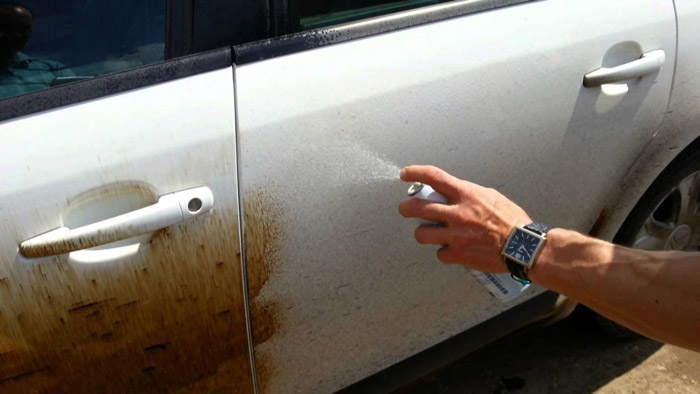
What material removes rust? There are many high-quality rust removal products available, such as Flamingo Reactive Rust Cleaner , whose powerful formula is considered one of the best for removing rust from cars. Many other products can assist in all stages of the rust removal process, including:
- After removing the rust from the car body, you can use Flamingo ceramic body polish.
- After removing the rust from the car trunk, a 3D Final Touch wax can be used after washing.
- Flamingo Iron Rust Remover Spray and Engine Degreaser
- Use Flamingo wheel and rim cleaner before applying rust remover to the surrounding iron.
- Use Flamingo Scratch Protection Spray to protect the underside of your car from rust.
Many car care products from multiple brands help in the steps of removing rust from the car and products that help prevent its occurrence or protect against rust reactions in car parts. Always choose the best for maximum care for your car.