
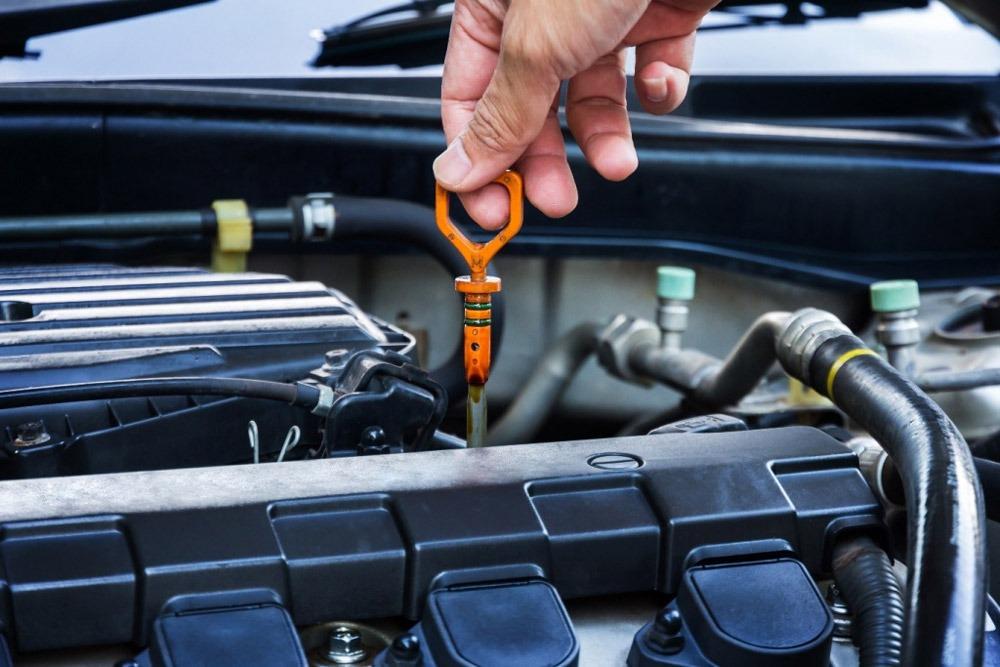
To recognize the symptoms of a faulty oil vapor valve, you'll find a range of problems that appear in the car, such as reduced engine performance, increased fuel consumption, white or blue smoke from the exhaust, or oil contamination of the spark plugs.
If oil leaks from the engine, these problems should be suspected as symptoms of a faulty oil vapor valve, and you should immediately seek solutions. We will now discuss this in more detail.
Symptoms of a faulty oil vapor valve
A faulty PCV valve in a car can lead to several symptoms indicating a problem, and these signs that may indicate a faulty PCV valve are ones you might notice in your car.
At that point, attention should be paid to immediately seeking repair from these signs:
- If you notice your car is consuming more oil than usual, it could be because the oil vapor valve is faulty and causing an oil leak.
- White or blue smoke from the exhaust is a sign of oil leaking into the combustion chamber.
- Unstable engine performance
For example, the engine may run erratically or intermittently, especially when stopped or at low speeds.
- Damage to the oil vapor valve can lead to increased oil pressure inside the engine, which may cause leaks elsewhere.
- If you notice oil in the air filter or in the vent pipe connected to it, this could be a sign of a problem with the oil vapor valve.
- A faulty oil vapor valve leads to increased fuel consumption, resulting in reduced fuel efficiency in the vehicle.
- The appearance of the warning light on the dashboard in some modern cars indicates a problem with the oil vapor valve system.
If you notice any of these symptoms, the oil vapor valve should be checked and replaced if it is damaged, because these signs are symptoms of a damaged oil vapor valve and the inspection should be done quickly to ensure that the engine works properly and to prevent bigger problems in the future.
Qazum Car Store offers you: Mobil 10W30 engine oil, one liter
What are the causes of damage to the evaporator valve?
Damage to the oil vapor valve (PCV valve) can occur due to several reasons, and these should be known in order to try to avoid them.
- Like most car parts, the oil vapor valve can wear out and become worn over time and with continuous use, depending on its expected lifespan.
- Carbon and dirt buildup inside the valve can cause it to become clogged and malfunction. This can happen as a result of irregular oil changes and using unsuitable oil.
- Using low-quality engine oils or oils unsuitable for the type of car engine can lead to the accumulation of dirt and carbon inside the valve, causing damage.
- Driving under harsh conditions, such as frequent driving in heavy traffic or short drives that don't allow the engine to warm up sufficiently, can lead to deposit buildup inside the valve.
- Failure to change the oil regularly can lead to dirt buildup in the oil vapor system, resulting in blockage and valve damage.
- A leak in the oil system can lead to a lack of oil in the engine, which increases the pressure on the oil vapor valve and causes it to malfunction.
- Problems in the engine's ventilation system affect the operation of the oil vapor valve and lead to its failure.
Regular maintenance of the car and cleaning of the vapor valve should be maintained before symptoms of oil vapor valve damage appear. The oil should be changed regularly and appropriate oils should be used to avoid damage to the oil vapor valve and to ensure the engine works properly.
Qazum Car Store offers you: Pure Guard 5W30 American Mineral Oil
How to clean the oil vapor valve step by step
Cleaning the PCV valve can be a simple process if you have the right tools and know the basic steps. After any symptoms of PCV valve damage appear, you should clean the PCV valve immediately. These are the steps:
Tools and materials required
- The appropriate wrench for loosening the valve
- Carbon cleaner (a cleaner specifically designed to remove carbon and dirt from engines)
- small cleaning brush
- Clean cloth or cleaning towel
- protective gloves
Qozom Car Store offers you: Shell Helix HX5 AH 15W-40 oil
steps Cleaning the oil vapor valve
- Locate the oil vapor valve; it is usually connected to the engine valve cover by a rubber or metal tube.
- Use your car's owner's manual or go online to find out exactly where it is in your car.
- Unscrew the valve and carefully disconnect the pipe connected to the valve.
- Use the appropriate wrench to loosen the valve from its position.
- Spray the valve with carbon cleaner and leave it for a few minutes to dissolve dirt and deposits.
- Use a small brush or toothbrush to gently scrub the valve to remove accumulated dirt.
- Repeat the spraying and cleaning process if necessary until you are sure that all residue has been removed.
- Dry the valve using dedicated towels to thoroughly dry it after cleaning.
- Make sure it is dry before reinstalling it.
- Reinstall the valve after cleaning and drying it.
- Tighten the valve using a wrench, then reconnect the pipe attached to it.
- Final check: Start the engine and make sure it is running smoothly.
- Check for any leaks and that the engine is running normally.
Once the symptoms of damage to the oil vapor valve appear, you can keep it clean and ensure it works properly by following the previous steps, which contributes to maintaining the engine's performance and efficiency. However, if the valve is severely damaged and cannot be cleaned, it is best to replace it with a new one. There are many types that are approved at our Qozom Car Auto Parts Store , and care should be taken and gloves should be worn for protection when dealing with chemicals.