

The fuel pump is a pump that pumps gasoline from the fuel tank to the engine and is an essential part of the fuel system. Therefore, it is important to know the symptoms of a faulty fuel pump to ensure its efficient operation. Any malfunction in the pump can lead to problems with the car's operation, such as poor performance or the engine stalling. The symptoms of a faulty fuel pump are what indicate that it is damaged, and these symptoms or signs include difficulty starting the engine or perhaps it not starting at all, the engine suddenly stalling while driving for no apparent reason, or if the car's acceleration is weak, intermittent, and irregular. You may also hear abnormal noises from the fuel tank, such as an unusual noise coming from the fuel tank area. You can also suspect that the fuel pump is faulty if the fuel pressure drops as expected, and this can be checked using pressure gauges. If you notice any of these signs, it is advisable to have the car inspected by a mechanic to check the condition of the fuel pump and perform the necessary maintenance.
Symptoms of a faulty fuel pump
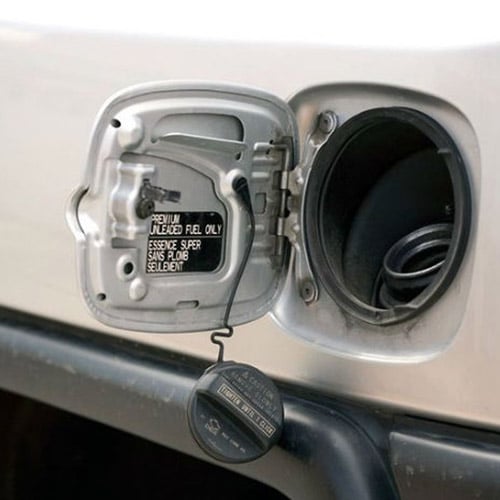
When the fuel pump is faulty, some obvious signs appear that indicate a problem with it.
These are warning signs and symptoms that alert the driver to the need to find a solution, and these signs are:
- Difficulty starting the car: If the fuel pump is not pumping fuel correctly, you will have difficulty starting the car and may need several attempts to start the engine.
- The engine suddenly stops while driving because the fuel pump is unable to supply enough fuel to the engine.
- You might feel that the car doesn't respond well when you press the accelerator pedal, the acceleration is weak or slow, and you feel that the car is losing power while driving.
- A buzzing or humming sound coming from the fuel tank indicates that the pump is working overtime or is about to fail.
- Low fuel pressure leads to insufficient fuel delivery and causes poor engine performance.
- Abnormal fuel consumption: If you notice a significant increase in fuel consumption without any change in your usual driving style in terms of speed and distance, this is due to a faulty fuel pump.
- The "Check Engine" light may appear on the dashboard due to a problem in the fuel system, which could be caused by the fuel pump.
All of the above are symptoms of a faulty fuel pump. If you experience any of these symptoms, it is important to have the car checked at a specialized maintenance center to diagnose the condition and make the necessary repairs before the situation worsens.
What is the function of a fuel pump?
The fuel pump plays a fundamental and vital role in the operation of the car system. It is responsible for pumping fuel from the tank to the engine. The pump draws gasoline from the fuel tank and pumps it through the fuel lines to the engine to ensure its operation. The pump creates a suitable and constant pressure to deliver fuel to the engine. This pressure ensures a regular and continuous flow of fuel according to the engine's needs. It also regulates the amount of fuel sent, as it contains systems to regulate the amount of fuel according to the engine's demand and speed. This improves fuel consumption and increases engine efficiency. One of its important functions is to ensure stable engine operation thanks to the continuous supply of fuel. The pump ensures that the engine works stably without interruption, and thanks to the continuous supply of fuel in the appropriate quantity and pressure, the engine's performance increases and it works more efficiently. The fuel pump is necessary to ensure the easy operation of the car and increase its overall efficiency, power, and speed, and any malfunction in it may lead to major performance problems.
How do you maintain the fuel pump?
To maintain the fuel pump and ensure its long lifespan and optimal performance, several important tips should be followed:
- Avoid driving with a low fuel tank. It is advisable not to allow the fuel level to drop too low, as driving with an empty tank can cause impurities and dirt to be drawn from the bottom of the tank, potentially clogging the fuel pump and causing damage. Try to keep the fuel level above a quarter tank at all times.
- Use the high-quality fuel recommended by the car manufacturer, as low-quality fuel contains impurities that can clog filters and affect the fuel pump.
- Make sure to check and change the fuel filter regularly according to the manufacturer's recommendations. A clean filter protects the pump from dirt and impurities that can obstruct fuel flow.
- Excessive or insufficient pressure can cause stress on the pump, so you should check the fuel pressure regularly to ensure the pump is working properly.
- Avoid overheating the car, as high temperatures can negatively affect the fuel pump.
- Ensure the car's cooling system is working efficiently to avoid overheating.
- Avoid aggressive, high-speed driving on a regular basis, as it puts stress on the fuel pump and causes it to break down over time.
- Change the fuel filter regularly every 20,000 to 40,000 kilometers or as recommended by the manufacturer.
- The filter must be kept clean because a dirty filter increases the pressure on the pump.
- Use appropriate fuel additives designed to clean the fuel system to keep the pump and other components clean, and be sure to use products recommended by the manufacturer.
- Check the pump during routine maintenance to ensure there are no problems or damage.
- Maintaining proper electrical connections and ensuring there is no corrosion or damage to the wires is essential to guarantee proper operation.
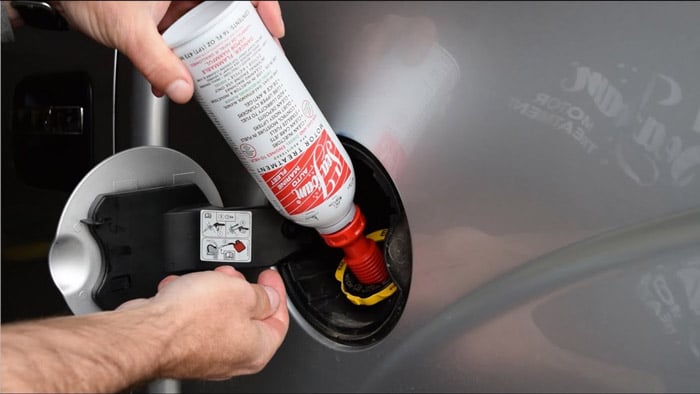
Following these tips will help extend the life of your fuel pump and ensure its efficient operation, thus reducing maintenance and repair costs. The fuel pump is one of the most important parts of a car's fuel system, as it pumps fuel from the tank to the engine to ensure its smooth and fast operation. However, over time, it may experience problems that require intervention, and symptoms of fuel pump failure may appear. One of the most important steps to take when problems arise is to regularly inspect the fuel pump, which helps in the early detection of any malfunction or weakness in its performance. Among the common problems that the pump may encounter is overheating. This can occur due to weak fuel flow or a blockage in the filter, which affects its performance. It is important to identify and avoid the causes of overheating to maintain the pump's efficiency. If you are experiencing a problem with the pump, it may be necessary to repair it as soon as possible and diagnose the fault. In some cases, the problem may be due to damaged parts that can be replaced, or due to a blockage in the fuel system, which requires cleaning in addition to repair. It is advisable to clean the fuel pump, as dirt and impurities can accumulate over time and lead to reduced performance. Regular pump maintenance and cleaning contribute to maintaining the pump's efficiency and extending its lifespan. Be sure to monitor and observe the symptoms of fuel pump damage so as not to endanger the car while driving. Problems should always be addressed promptly with regular maintenance, which prevents problems from recurring.