

There are multiple symptoms of oil pump damage in a car, and all of them indicate a problem with the oil pump that must be treated and repaired to avoid potential dangers. If you see the oil pressure warning light on the dashboard, this indicates that the oil pressure is insufficient, and it is a common sign that the oil pump may be damaged or in need of maintenance.
Is the oil pump making a clicking noise? If you hear clicking or unusual noises from the engine, it could be due to a decrease in the amount of oil flowing to the moving parts, indicating a problem with the oil pump. Insufficient oil flow can lead to an increase in engine temperature. If you notice the temperature gauge rising unusually, this means there is a problem with the oil pump. The appearance of the above symptoms of oil pump failure is a warning sign that calls for you to have the car inspected as soon as possible and work on repairing the oil pump early to avoid damage to the car's engine.
What are the symptoms of a faulty oil pump?
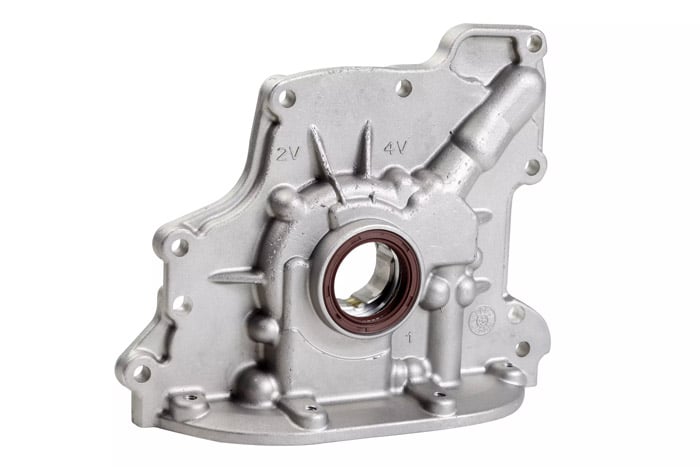
Symptoms of a faulty oil pump in a car can lead to major engine problems if not addressed quickly. There are many symptoms or indicators that can tell you if the oil pump is faulty, including the following:
- The appearance of the oil pressure warning light on the dashboard indicates that the oil pressure is below normal due to a faulty pump.
- An abnormal engine noise due to low oil can be a rattling or clicking sound, especially coming from the valves or moving engine parts.
- When the oil pump does not distribute the oil properly, it can lead to an increase in engine temperature due to increased friction between moving parts.
- In some severe cases, the engine suddenly stopped working because the oil pump was completely faulty.
- If there is a leak in the oil system or damage to the oil pump, you may notice oil stains under the car.
If you notice any of the above symptoms of oil pump failure, it is important to have the car inspected and any oil pump problems repaired to avoid engine damage.
Qozom Car Auto Parts Store presents to you Best GMC oil pump
What are the causes of oil pump failure?
Oil pump failure can occur due to several factors and causes that should be known and avoided to maintain the engine. These causes are:
- Using engine oil that does not meet the manufacturer's recommended specifications can lead to wear and tear on the internal parts of the oil pump, reducing its efficiency and lifespan.
- Failure to change the oil regularly causes dirt and impurities to accumulate in the oil, leading to blockage of the oil pump or damage to its internal parts.
- The internal parts wear out over time due to constant friction, which reduces their efficiency.
- A low oil level due to a leak in the system can cause the oil pump to operate without enough oil, leading to overheating and damage to parts.
- Some oil pumps suffer from manufacturing or design defects, causing them to fail more quickly than expected.
- Accumulation of deposits and impurities in the pump or in the oil pipes can lead to blockage of the oil passages, causing a decrease in pump efficiency.
- Operating the engine for extended periods without stopping or under harsh conditions may cause excessive pressure on the oil pump and lead to faster damage.
To avoid damage to the oil pump, regular periodic maintenance and timely engine oil changes are required, in addition to using the appropriate oil recommended by the manufacturer.
How to maintain the oil pump
When symptoms of oil pump failure appear in a car and it needs to be repaired, several tips should be followed to maintain the oil pump with regular maintenance. Among the most important tips are:
- Change the engine oil and filters regularly according to the manufacturer's recommendations, as clean oil helps maintain the oil pump and reduces wear.
- Use the correct oil for your car model, as the wrong oil may cause the oil pump to wear out or become clogged.
- Check the oil level regularly and make sure it is within the recommended range. If the oil level is low, add the appropriate oil to avoid running the engine with insufficient oil.
- Check for oil leaks to ensure there are no leaks anywhere in the system, as oil leaks and low levels negatively affect the pump and may damage it.
- If you have buildup or impurities in your oil system, clean the system regularly to avoid clogging the oil pump.
- If you notice any symptoms of a faulty oil pump (such as low oil pressure or abnormal noises), have your car inspected quickly to fix the problem.
- Avoid overloading the engine and avoid operating the car under heavy loads or subjecting the engine to heavy loads for extended periods to prevent putting pressure on the oil pump.
- Perform routine engine maintenance according to the recommended schedule, including checking the oil pump and other related systems.
Regularly monitoring the symptoms of oil pump damage helps to keep the pump in good condition, prolongs its life, and maintains the optimal performance of your car's engine.
How to check the oil pump
Inspecting the oil pump requires some basic skills and maintenance tools.
If you notice any signs of oil pump failure, you can perform the inspection using the following steps:
- Make sure the engine is cool before starting work.
- Use a car jack to support the car high enough to reach its underside.
- Make sure the car is secured with safety braces.
- Use the dipstick to check the engine oil level.
- Make sure the oil level is within the correct range as recommended in the owner's manual.
- Check for any leaks or oil stains under the car and in the oil pump area.
- After checking the oil level and inspecting for leaks, start the engine and listen for any abnormal noises such as ticking or rattling. These sounds may indicate problems with the oil pump.
- Use an oil pressure gauge; low pressure indicates a problem with the oil pump.
- If the pump is determined to be faulty, it must be removed following the instructions specific to your vehicle.
- Install a new pump and make sure it is properly installed and leak-free.
- After replacing the pump, start the engine and check that all systems are working correctly and that there are no leaks or abnormal noises.
If you are unsure of any step or do not feel comfortable carrying out the inspection yourself, it is best to consult a professional mechanic to ensure that the problem is accurately diagnosed and the necessary repairs are made.
How to clean an oil pump
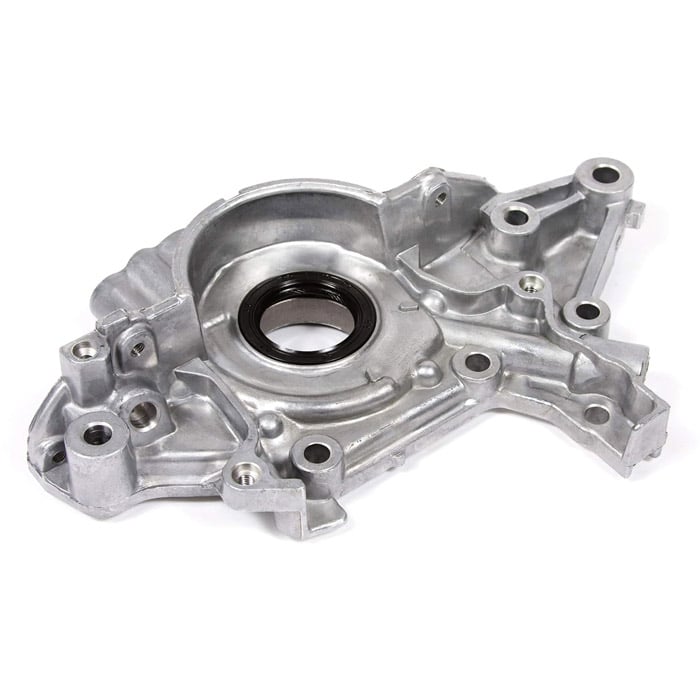
After noticing signs of oil pump failure, you can consider how to clean it in an attempt to prevent further problems.
Since any neglect can lead to problems in the oil system, if you need to clean the oil pump you can follow these steps:
- The engine must be cold before starting operation.
- Use a car jack to support the vehicle high enough to work and reach the underside, and make sure it is secured with safety supports.
- Drain the old engine oil by removing the drain plug at the bottom of the oil container.
- Clean the drain valve before reinstalling it.
- Disconnect the pipes connected to the oil pump, such as the oil inlet and oil outlet pipes.
- Unscrew the screws or fasteners that hold the oil pump in place, then carefully remove the pump.
- Use a special oil cleaner or a mild cleaning solution to clean the oil pump.
- You can use a soft brush or cloth to clean away any residue or impurities.
- Make sure no residue is left for cleaning.
- If the pump has an internal filter, clean it or replace it if necessary.
- Install the clean oil pump in place using the appropriate screws or fasteners and ensure it is securely fastened.
- Reconnect the pipes connected to the oil pump and make sure they are tight.
- Reinstall the oil pump and fill the engine with new oil according to the manufacturer's recommendations.
- After adding the oil and checking for leaks, start the engine and verify that everything is working correctly.
The symptoms of a faulty oil pump are a serious indicator that you should not ignore and you should take quick action to protect the engine and the car.