
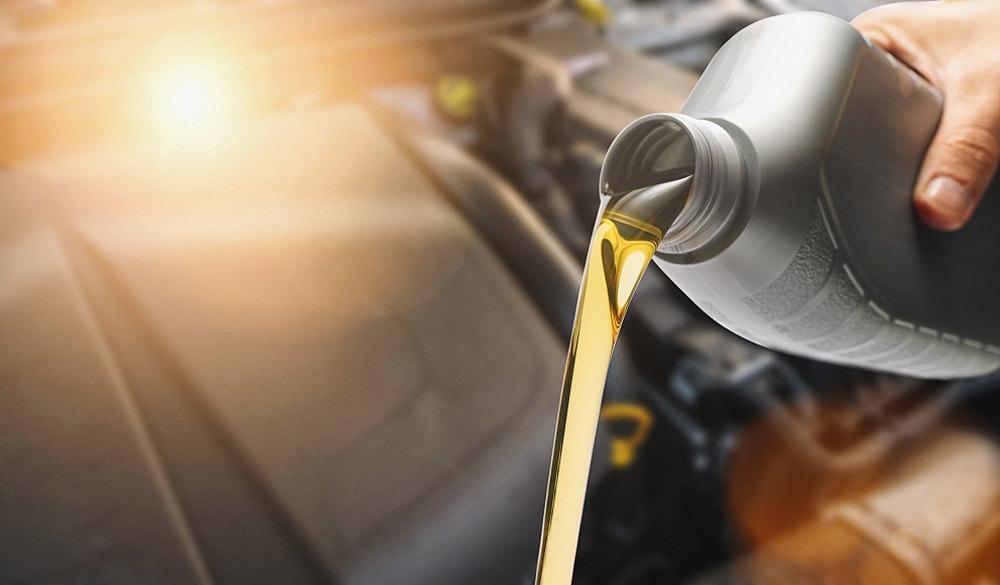
The disadvantages of not changing transmission fluid regularly are numerous, including significant problems that appear in the system and performance, such as increased temperature because the transmission fluid loses its cooling properties. This leads to increased heat inside the transmission, and this excess heat can damage internal parts. Another disadvantage is that the fluid loses its lubricating properties due to lack of change, which increases friction between moving parts inside the transmission and leads to faster wear. Also, one of the most apparent disadvantages of not changing transmission fluid is the accumulation of impurities and metal particles in the fluid due to the natural wear of the parts. These particles cause further damage to internal parts, and when the fluid deteriorates, shifting between gears becomes more difficult, and you feel that the transmission is jerking or not working easily, which leads to a decrease in overall performance. Not changing transmission fluid leads to a general deterioration in the car's performance and causes a decrease in the car's responsiveness and speed.
Extreme caution must be taken to avoid neglecting to change the oil for too long, as this will eventually lead to the complete destruction of the transmission and you will need a very expensive repair process. To avoid damage from not changing the transmission oil, it is necessary to follow your car's maintenance schedule and change the transmission oil in a timely manner to maintain the efficiency and performance of the transmission.
What is the importance of gear oil?
Transmission oil (or gearbox oil) is a fluid used to lubricate, cool, and operate a car's transmission. There are two main types of transmissions: manual and automatic, each requiring a specific type of oil. The importance of transmission oil is evident from its crucial functions, which are:
- Lubrication helps reduce friction between moving parts within the transmission, preventing wear and tear and improving their lifespan.
- Cooling: The oil absorbs the heat generated by friction inside the transmission and prevents its temperature from rising.
- Easy operation and ensures quick gear shifting in both manual and automatic transmissions.
- Protection against corrosion and excessive wear; transmission oil contains additives that protect transmission components from rust and corrosion.
Using the appropriate transmission fluid and maintaining its level regularly is essential to maintain vehicle performance and prevent transmission problems and damage from not changing the transmission fluid.
What are the disadvantages of not changing the transmission fluid?
The negative consequences of not changing the transmission fluid in a timely manner are related to a range of problems and unpleasant symptoms that affect the car's performance, including:
- Difficulty changing gears: You will notice difficulty shifting between gears in both manual and automatic transmissions. This may cause the gears to stick or be delayed during shifting.
- The gears begin to slip, meaning the car may lose responsiveness when accelerating, leading to loss of control or erratic performance.
- Vibrations or noises while driving, and you may feel abnormal vibrations or hear unfamiliar sounds such as humming or grinding due to excessive wear in the internal parts of the transmission.
- Overheating of the transmission due to the oil's reduced ability to cool internal parts can cause the transmission to overheat and result in unstable performance.
- There is a delay in response when changing gears, especially when pressing the accelerator pedal or attempting to change gears, particularly during acceleration or deceleration.
- Reduced vehicle power and fuel efficiency
- You may notice that the car has become less powerful or that fuel consumption has increased significantly. This is due to excessive wear and tear and friction inside the transmission, which affects the car's efficiency.
- Some cars are equipped with sensors that monitor transmission performance, and if there is a problem, a warning light may appear on the dashboard alerting you to a transmission issue.
If any of these symptoms appear, it may be a sign that the transmission fluid needs to be changed immediately to avoid damage from not changing the transmission fluid that requires costly repairs.
How do I know which transmission fluid to use?
Choosing the right transmission oil for your car should be based on sound principles to ensure long and effective transmission performance. There are some criteria that should be followed when choosing the right oil, as indicated in the car's user manual, which is the best reference for determining the appropriate type of transmission oil. It will guide you to the type of oil recommended by the manufacturer, whether it is automatic transmission oil (ATF) or manual transmission oil.
Make sure that the oil meets international specifications and standards, which are standards specific to automatic transmission oils and others for manual transmission oils. Some cars, especially luxury or high-tech cars, need special oils that are specifically designed for them. For example, some Japanese cars, such as Toyota and Honda, have transmission oils such as: Toyota 0W20 synthetic engine oil 1L38 .
While European cars such as BMW and Mercedes require specific oils, transmission oil comes in different viscosity grades, and the appropriate viscosity must be chosen according to the manufacturer's recommendations. You must choose an oil that can withstand high temperatures for long periods, especially if you drive in extremely hot environments or travel long distances. Some cars, especially modern ones, may recommend using fully synthetic oils because they provide better protection and work efficiently in high and low temperatures, and they need to be changed at longer intervals compared to traditional oils.
When purchasing gear oil, you should check the production date and avoid buying oil that was produced a long time ago to ensure its full effectiveness.
The best ways to change transmission fluid
How do I know that the transmission oil needs to be changed? You can tell by the appearance of signs and the spread of problems caused by not changing the oil. Of course, the best thing is to adhere to the periodic change according to the instructions. You should know the best ways to change the transmission oil because it is an essential part of car maintenance and helps to maintain the performance of the transmission and extend its life. There are tools used and steps in order that must be known.
Required tools:
- The appropriate transmission fluid for the car (according to the user manual)
- Transmission oil filter (if present in your car)
- New gasket for the gear oil pan
- wrench
- Container for draining old oil
- Funnel (oil filling funnel)
- Gloves and safety equipment
Steps to change transmission fluid:
Check the car's temperature, as it's best to change the transmission fluid when the car is warm. You can drive the car for 10-15 minutes to warm the fluid and make it easier to drain. However, make sure the temperature isn't too high to avoid burns. Then, safely raise the car using a jack or bumpers to ensure it's stable on the ground. Make sure you're working on a level and safe surface. Locate the transmission fluid pan underneath the car (in most cars, the pan is near the gearbox). Place a container under the pan to collect the old fluid and use a wrench to slowly loosen the drain plug. Once the plug is loose, the old fluid will flow into the container. Make sure all the fluid is drained and wait until the flow stops.
It is preferable to remove the oil pan to clean it of any accumulated deposits and impurities. Use the wrench to carefully unscrew the bolts. If your car has a transmission oil filter, remove it and replace it with a new one. Make sure the new filter is installed correctly. When removing the oil pan, make sure to replace the old gasket with a new one to ensure there is no oil leak. Then, secure the pan tightly using the bolts. After draining all the old oil, reinstall the drain plug and make sure it is tightly sealed.
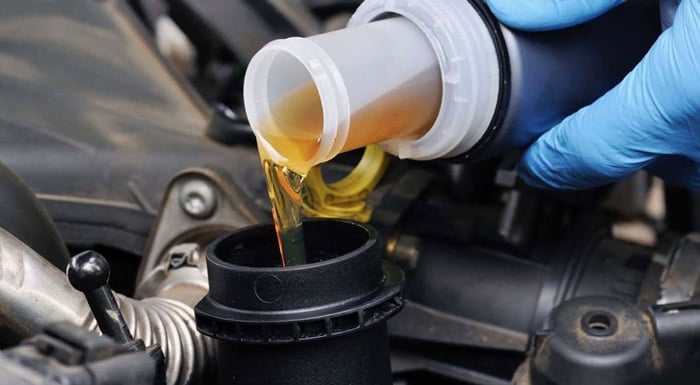
To add the new oil, go to the top of the engine and open the transmission oil dipstick cover. Using a funnel, slowly and carefully add the new oil, making sure to use the recommended amount of oil mentioned in the user manual. The final step after adding the oil is to start the car for a few minutes and let the transmission shift through all gears (from P to D and to R) to circulate the new oil. Then stop the car in "P" and check the oil level using the dipstick to make sure it is within the correct range. After starting and checking, make sure there are no leaks under the car, especially around the drain plug and sump.
You should check the manufacturer's recommendations regarding the number of kilometers or the appropriate time to change the transmission fluid to avoid damage caused by not changing the transmission filter. You should also avoid overfilling the fluid, as this can damage the system. By doing this, you will be able to change the transmission fluid effectively and ensure the best performance of your car's transmission, eliminating any damage caused by not changing the transmission fluid, which affects your car's performance and causes many problems.