

Car brake types include a variety of systems that differ in how they work and perform. We must not forget that brakes are the first line of defense for the car against accidents and collisions, so it is necessary to take intensive care of them. We will now learn about the types of car brakes with smart and professional solutions to their common problems, and we will learn about the components of the brake system and how it works, in addition to the types used in cars.
What are the types of car brakes?
What types of brakes are used in cars? To understand the different types of brakes in cars, we must note that they encompass many different systems that vary in their operation and performance. A car's braking system is a collection of mechanical and hydraulic components that work together to slow down or stop the vehicle. This system relies on converting the car's kinetic energy into heat through friction. There are many types of car brakes, including:
- Disc brakes rely on a metal disc that rotates with the wheel, and two brake pads press against it from both sides to generate the friction necessary to stop the car. They are widely used in modern cars thanks to their high cooling efficiency and excellent performance in harsh conditions.
- Drum brakes consist of a drum that rotates with the wheel and is pressed against the inside of the brake shoes to generate friction. They are often used on the rear wheels of some older and economy cars.
- The Anti-lock Braking System (ABS) prevents wheel lock-up during hard braking, helping the driver maintain control of the vehicle. It relies on sensors to control hydraulic pressure in the brakes, thus preventing skidding.
- The Electronic Brakeforce Distribution (EBD) system optimizes braking force distribution between the front and rear wheels according to driving conditions, which helps improve stability and safety. It works in conjunction with the ABS system to achieve optimal braking performance.
- The hydraulic braking system uses hydraulic fluid to transfer force from the brake pedal to the brakes on the wheels and is used in most modern cars to ensure smooth and efficient performance.
- Electric brakes use small electric motors to operate the brakes and are often used in electric and hybrid vehicles where electronic control is important.
Each of these types has its own features and uses, and choosing the right system depends on the type of car and driving needs. You can choose the best types of car brakes. We have the strongest international brands in Saudi Arabia at Car Qazum Auto Parts Store with the best capabilities and cheapest prices.
Where are the brakes located in the car?
The location is determined by the type of car brakes, as the braking system is located in several important places to ensure effective braking performance and safety in automatic car brakes.
To learn about the components of a car's braking system, you will find them as follows:
- The brake pedal, located inside the driver's cabin in front of the driver, transmits power to the hydraulic or electronic braking system when pressed.
- Disc brakes are usually located on the front wheels, but in some cars they are present on all wheels.
These include the rotors and brake pads, which press against the rotors to generate friction.
- Drum brakes are a type of car brake typically found on the rear wheels of vehicles that use this type of brake. They consist of a drum and brake shoes that press against the drum from the inside to generate friction.
- The hydraulic lines (brake lines) run through the vehicle to transport hydraulic fluid from the master cylinder to the wheel brakes and connect the brake pedal to the wheel braking system.
- The master cylinder is located in the engine compartment near the partition wall between the cabin and the engine, and it converts the pressure from the brake pedal into hydraulic pressure in the hydraulic lines.
- The Anti-lock Braking System (ABS) is a type of car brake found in the control units.
Solving the problem of brake squealing noise
Solving the problem of squealing brakes is essential because it is annoying and may indicate potential problems in the braking system. There are several reasons that may cause this sound in different types of car brakes, but when looking for professional solutions, we find these common solutions to deal with this defect:
- Check and replace your brake pads, as the squealing sound could be caused by worn brake pads. If the brake pads are very thin, they may need to be replaced. Make sure you use high-quality brake pads that are compatible with your vehicle model.
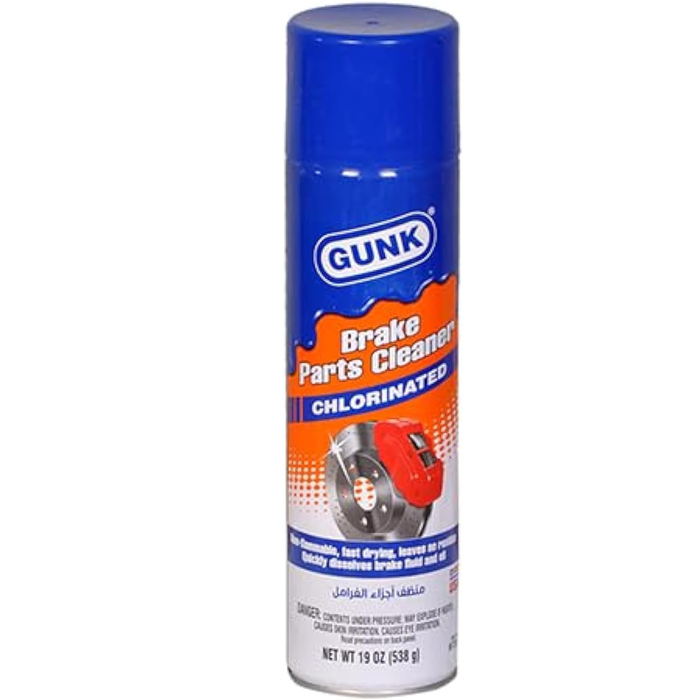
- Cleaning the brakes is important because dirt and dust can accumulate on the brake blocks or discs, causing a squealing sound. You can clean these parts using [a specific tool/method]. Junk brake cleaner
It is one of the best specialized brake cleaners, and make sure your cleaning includes removing any metallic residue or stuck-on debris.
- Rotors: Worn or damaged rotors can cause a whistling sound. The rotors should be inspected to ensure they are in good condition.
- Lubricants can be used, and specialized lubricating materials such as Amzwell Brake Fluid To reduce friction between brake blocks and discs, ensure that lubricants are applied to the rear parts of the brake blocks and not to the friction surfaces.
- Ensure correct installation. Squealing may occur if brake blocks or discs are not installed correctly, so make sure all parts are properly and securely fastened.
- Check the quality of the brake blocks, as using poor-quality brake blocks can cause squealing.
- Make sure you use brake blocks recommended by your car's manufacturer. If you've tried these solutions and the noise is still there, it might be best to consult a professional mechanic experienced in dealing with car brake components and a specialist to thoroughly inspect the brake system and ensure there are no more complex problems.
Solving brake sagging problems professionally
Brake failure is a serious problem and must be dealt with professionally to ensure your safety and the safety of others on the road. When solving it, the following steps should be followed:
- Check the hydraulic system and verify the brake fluid level in the reservoir; if it is low, fill it with the appropriate fluid.
- Check for leaks in the hydraulic system. If a leak is found, it must be repaired or the damaged parts replaced.
- Cleaning and lubricating brake components is important because dirt or rust can cause brake sticking, and cleaning and lubricating these components can help resolve the problem.
- Use specialized brake cleaners and ensure lubricants are applied to moving parts.
- Replace the brake pads because worn or damaged pads can cause brake failure and must be replaced with new ones to resolve the problem.
- Use high-quality brake blocks that are suitable for your vehicle type.
- Inspect and replace the disc brakes (rotors) or drum brakes, as deformed discs or drums can cause brake failure; they should be inspected and replaced if necessary to resolve the problem.
- Discs or drums may need to be machined if they are uneven.
- Check the caliper and cylinder, as a stuck caliper can cause brake failure. Ensure the piston moves freely and replace the caliper if it is stuck. A faulty master or secondary cylinder may also be the cause; in this case, the damaged cylinder must be replaced.
- Check the anti-lock braking system (ABS) and ensure it is working correctly. If there is a problem with the system, it may be necessary to repair or replace the sensors or the electronic control unit.
All types of car brakes They are mainly used to keep the car in place when parked. Car brakes may be separate from the main braking system, such as rear brakes, and usually operate on the rear wheels. The braking system in cars depends on the type of car and its use. For example, sports and luxury cars are equipped with disc brakes on all four wheels, while economy cars may use disc brakes in the front and drum brakes in the rear to achieve a balance between performance and cost.