
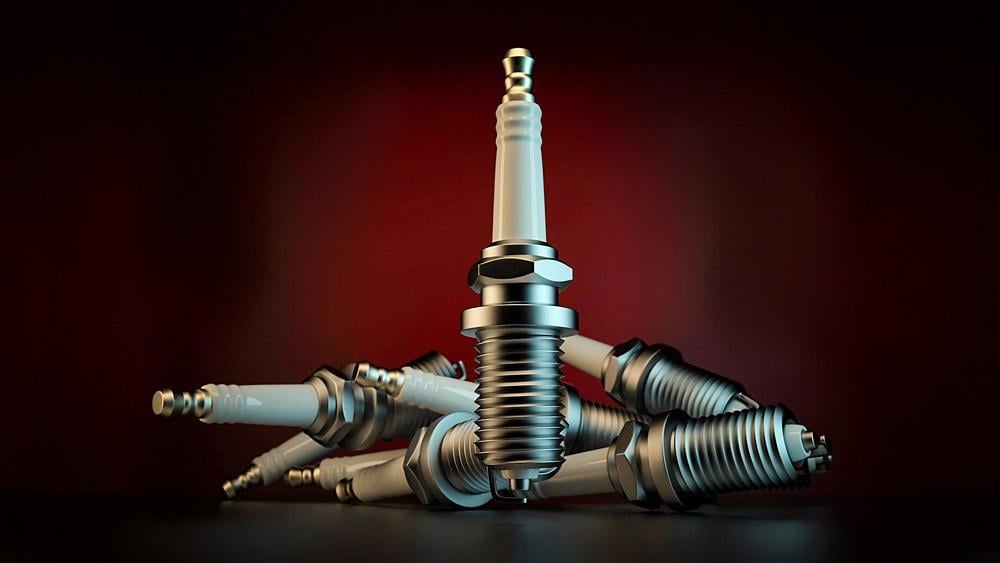
Spark plugs for cars vary and are diverse, each designed to meet different needs and achieve the best results, from traditional copper spark plugs to high-performance iridium spark plugs. Each type has unique characteristics that affect engine power and fuel efficiency. We will now show you the types of spark plugs for cars and explore how each can make a clear difference in driving your car and engine safety.
What are the different types of spark plugs for cars?
What is the best type of spark plug? There are many types of spark plugs for cars, and the available types vary depending on the brand and the store. To understand what types of spark plugs are, we will mention the most popular types, which are as follows:
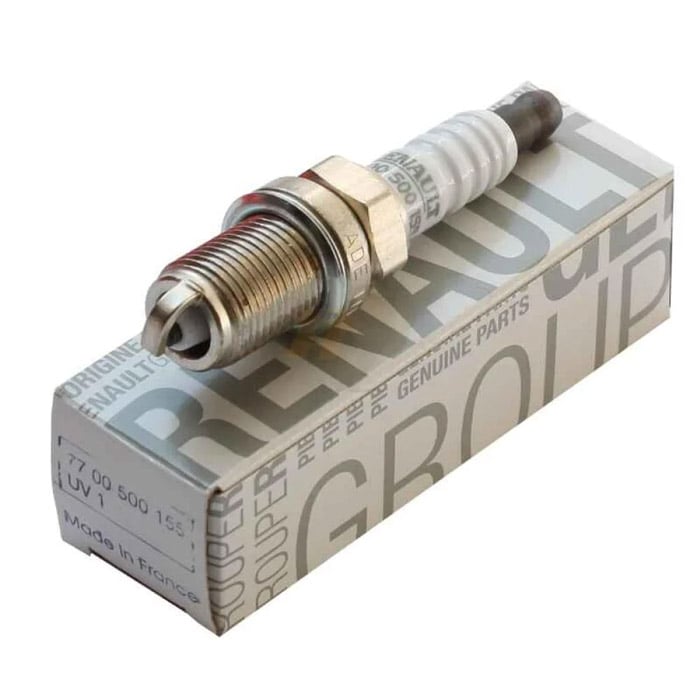
- Copper spark plugs are an economical and popular choice for older cars or high-performance engines, such as the standard Renault Duster Logan Symbol spark plugs , and are available at various auto parts stores.
- Nickel spark plugs offer good performance but need to be changed frequently.
- Iridium graphite spark plugs offer excellent performance and long lifespan, making them a preferred choice for many drivers.
- Platinum spark plugs offer stable performance and long life.
- Double Platinum Spark Plugs offer excellent performance and longer lifespan, especially for high-performance engines.
Make sure that the spark plugs are compatible with the cars they are being installed on and that they are the type of spark plugs that conform to the specifications recommended for your car.
What is the best way to change car spark plugs, step by step?
The best way to change car spark plugs requires some precision and attention to following the steps. Required tools:
- Spark plug socket
- Ratchet wrench
- Spark Plug Gap Tool
- Grease or cleaning agent for spark plugs
- protective gloves
Steps to change car spark plugs
- Stop and prepare the car. Make sure the car is parked on a level surface, turn off the engine, and let it cool down completely before starting work.
- Open the hood and locate the spark plugs. They are usually mounted at the top of the engine, under the ignition wires or coils.
- Remove the wires or coils. If the car has ignition wires, carefully remove them from each spark plug, holding the wire close to the base and not pulling it from the top to avoid damaging it.
- If the car has ignition coils, remove them using the appropriate screwdriver.
- Remove old spark plugs using a spark plug wrench and a socket wrench by rotating the spark plug counterclockwise until it is released from the cylinder.
- Be careful not to allow any dirt or contaminants to enter the cylinder while removing the spark plug.
- Check your old spark plugs by inspecting them for signs of wear or damage. These signs may give you an idea of the condition of your engine.
- Install the new spark plugs, checking the ignition gap using a gap adjuster and adjusting it according to your vehicle's specifications.
- Apply a small amount of grease or spark plug cleaner to the new spark plug threads.
- Install the new spark plug in the car's spark plug socket and gently insert it into the cylinder. Use a spark plug wrench to tighten it securely, but avoid overtightening it.
- Reconnect the wires or coils to each bogie in sequence and make sure they are securely and firmly connected.
- Close the hood and make sure all wires, coils, and spark plugs are properly installed, then close the hood again.
- Start the engine and make sure everything is working properly. Note any vibrations or unusual noises. If you notice any problem, check each step to ensure there are no errors.
Always remember to refer to your car's owner's manual to make sure that the spark plugs are certified and of high quality, and that the new spark plugs conform to the recommended specifications.
How to clean spark plugs in a car
Cleaning the spark plugs in your car benefits them, maintains engine performance, and ensures efficient operation, especially if your spark plugs have carbon buildup or dirt. You can clean them and get the full benefit of your car's spark plugs after cleaning them by following these easy steps:
Tools needed: A small brush or an old toothbrush, spark plug cleaner (many of which are available at Qozom Car Auto Parts, a store specializing in high-quality car parts and care supplies at the best prices), a clean, dry cloth, a spark plug wrench, and protective gloves.
Steps for cleaning spark plugs:
- Stop and prepare the car. Make sure the car is parked on a level surface, turn off the engine, and let it cool down completely before starting work.
- Open the hood and locate the spark plugs. They are usually mounted at the top of the engine, under the ignition wires or coils.
- Remove the wires or coils. If the car has ignition wires, carefully remove them from each spark plug, holding the wire close to the base and not pulling it from the top to avoid damaging it.
- If the car has ignition coils, remove them using the appropriate screwdriver.
- Remove old spark plugs using a spark plug wrench and a socket wrench by rotating the spark plug counterclockwise until it is released from the cylinder.
- Be careful not to allow any dirt or contaminants to enter the cylinder while removing the spark plug.
- Check your old spark plugs by inspecting them for signs of wear or damage. These signs may give you an idea of the condition of your engine.
- Install the new spark plugs, checking the ignition gap using a gap adjuster and adjusting it according to your vehicle's specifications.
- Apply a small amount of grease or spark plug cleaner to the new spark plug threads.
- Install the new spark plug in the car's spark plug socket and gently insert it into the cylinder. Use a spark plug wrench to tighten it securely, but avoid overtightening it.
- Reconnect the wires or coils to each bogie in sequence and make sure they are securely and firmly connected.
- Close the hood and make sure all wires, coils, and spark plugs are properly installed, then close the hood again.
- Start the engine and make sure everything is working properly. Note any vibrations or unusual noises. If you notice any problem, check each step to ensure there are no errors.
Always remember to refer to your car's owner's manual to make sure that the spark plugs are certified and of high quality, and that the new spark plugs conform to the recommended specifications.
What is the difference between platinum and iridium spark plugs?
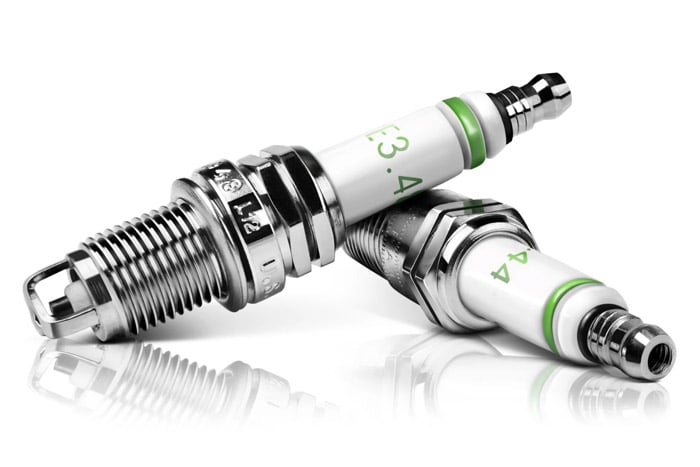
Platinum spark plugs and iridium spark plugs are two different types of car spark plugs, each with its own characteristics and advantages.
Platinum spark plugs contain a tip made of platinum, a rare and strong metal that provides stable performance.
And it improves fuel ignition and has a longer lifespan compared to traditional copper spark plugs. It lasts longer than copper spark plugs, but not as long as iridium spark plugs. It is usually less expensive than iridium spark plugs but more expensive than copper spark plugs. It is suitable for normal combustion engines, especially in cars that do not require high performance.
Iridium spark plugs contain a tip made of iridium, a very rare and extremely strong metal. They provide faster and more efficient ignition, which leads to improved engine response and fuel performance. They also provide cleaner combustion and better performance in high-performance engines.
They last longer than platinum spark plugs and are usually more resistant to corrosion and high temperatures.
They are considered the most expensive type of spark plug due to the use of iridium as the main material in their manufacture. They are ideal for high-performance engines, driving in difficult conditions, and for improving fuel efficiency and engine response.
Platinum spark plugs offer good performance and a longer lifespan than conventional spark plugs, but not as efficient as iridium. They are suitable for cars with average performance.
Iridium spark plugs offer excellent performance and long lifespan, making them the best choice for high-performance cars or heavy-duty engines. Although they are more expensive, their benefits in improving performance and fuel efficiency make them a preferred choice for many drivers.