
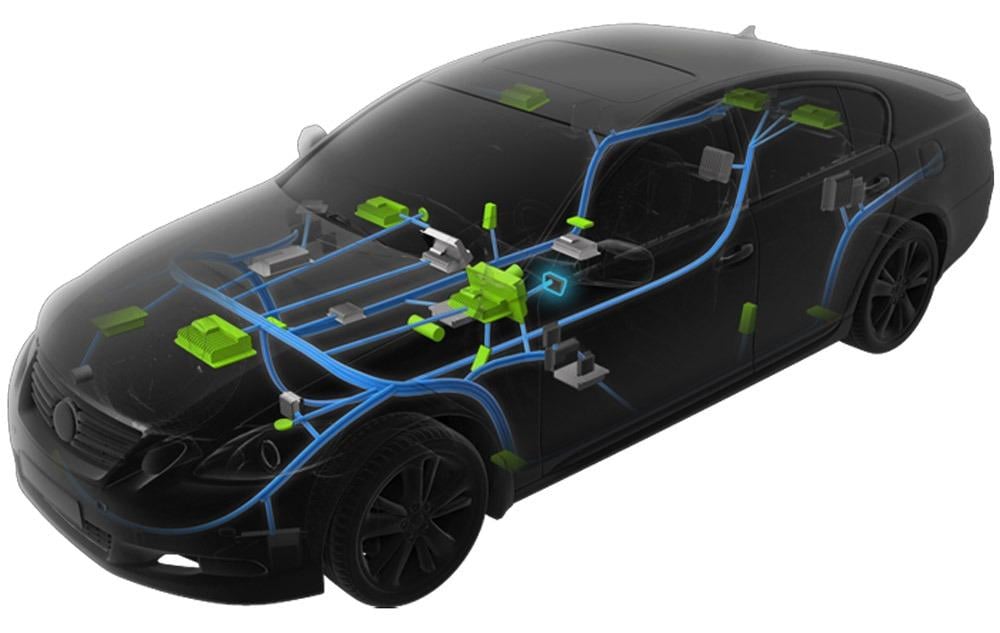
The car's "muscles" are the main parts that contribute to its movement and performance, such as the engine, which is the most important part of the car and converts fuel into mechanical energy, propelling it to motion; the transmission (gearbox), which regulates the distribution of power from the engine to the wheels and helps control speed and torque; and the suspension system, which includes components that connect the car to the ground, such as springs and shock absorbers, and provides stability and comfort while driving.
The braking system is also considered part of the car's muscle, and it includes mechanical brakes and ABS (Anti-lock Braking System) which help to stop the car safely and effectively. The wheels and tires are the points that connect to the road and are responsible for transmitting motion and stability. All these parts work together in an integrated manner to provide performance and safety in driving.
What are the muscles in a car?
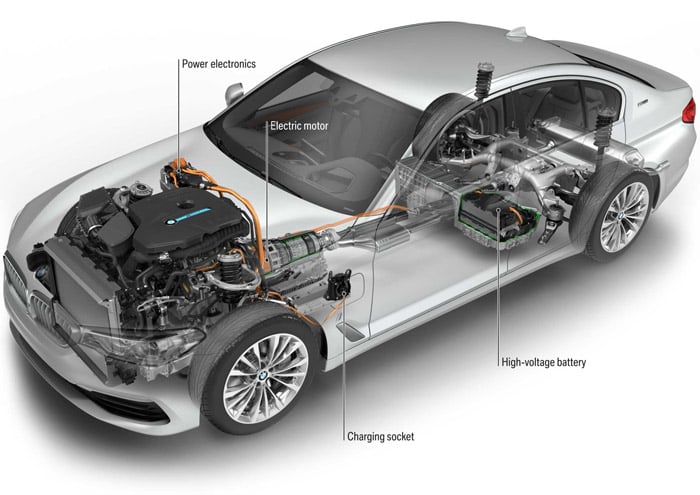
The car's muscles are the powerful, essential components that give the car its power and create its movement, similar to the role of muscles in the human body. These components are:
- The engine is the main part of the car that produces the power needed to move it.
- The suspension system includes the car's control arms.
- The support system, and the support seat, are responsible for stabilizing the car and absorbing shocks to ensure a comfortable ride.
- The steering system includes the steering box and steering arm, which allows the driver to control the direction of the vehicle.
- The braking system, which includes the rotors and brakes, is responsible for stopping the car and providing speed control.
- The transmission system (gearbox) is what transfers power from the engine to the wheels to move the car.
From this we know that the muscles of a car are all the parts that help in operating and moving it effectively, or cause movement, stability, balance, and also stopping.
Main car muscle parts
The main parts that are considered the muscles of the car are the components that cause its movement and effective performance. The names of the muscles of the car are: the engine, the transmission (gearbox), the suspension system which consists of the shock absorbers, the car's control arms and joints, the steering system, the brake system, and the cooling system which consists of the radiator, the fan, and the water pump. Its role is to maintain the engine temperature within the appropriate range and prevent it from overheating.
The exhaust system, which consists of the muffler (exhaust pipe), catalysts, and pipes, is responsible for expelling the gases produced by combustion inside the engine.
As for the car's tires, they are an important part of the car's muscle. They bear the weight of the car and provide the necessary friction for movement and stability. Also, the power transmission system (differential and axles) converts the power generated by the engine and transmission to the wheels to move the car. All these parts work together to ensure the car operates efficiently and achieves a balance between power, control, and comfort while driving. The main parts of the car's muscle include the basic components that help in the car's performance and movement.
How do you maintain the car's muscles?
The car's muscles should be checked periodically to ensure that every part of it is in good working order to maintain the car's basic components, or the car's muscles as they are called. It is important to follow periodic maintenance and care for them to avoid wear and tear or sudden breakdowns. These steps will help you discover whether you should tighten the car's muscles if you notice that they need it, or lubricate the car's muscles periodically at the scheduled times, and all maintenance procedures that must be adhered to in order to obtain the highest levels of safety.
Steps for maintaining the car's suspension system
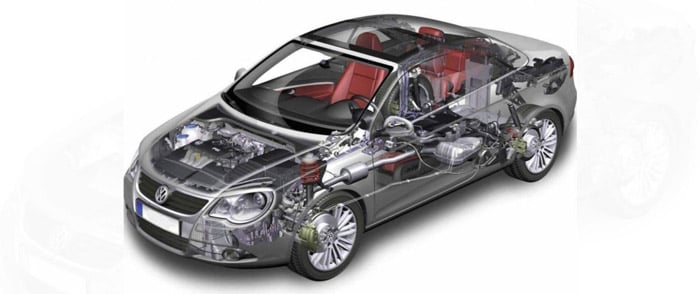
First: Engine maintenance:
- The oil should be changed regularly, and use the appropriate oil for your car's engine. Make sure to change it at the recommended intervals.
- Check fluid levels and inspect engine oil, coolant (radiator), and brake fluid levels regularly.
- Check the filters and ensure the air filter and oil filter are clean, replacing them when necessary to improve engine efficiency.
- Avoid overheating. Ensure the cooling system is working properly to prevent the engine from overheating.
- The suspension system requires regular inspection of the shock absorbers and control arms to ensure they are functioning properly, and replacement should be noted if any issues with balance or comfort while driving are observed.
- Avoid rough roads and avoid driving on roads full of potholes and uneven terrain to reduce stress on the suspension system.
Second: Steering system maintenance
- Adjusting wheel alignment and ensuring the wheels are properly balanced and adjusted will prevent damage to the steering system and help save fuel.
- Check the power steering fluid and change the hydraulic power steering fluid at appropriate intervals to ensure smooth steering operation.
Third: Brake system maintenance
- Check brake wear and ensure the condition of brake discs (rotor) and replace them when necessary to avoid any accidents or braking failures.
- Brake fluid should be changed regularly because it can lose its properties over time, affecting brake performance.
Fourth: The transmission system (gearbox)
- Change the gearbox oil and check the transmission fluid level regularly to ensure smooth gear shifting.
- Maintaining smooth driving and avoiding sudden or abrupt gear changes will help protect the transmission from wear and tear.
Fifth: Car tires
- Check tire pressure regularly and ensure it is correctly set, as improper pressure can lead to uneven tire wear.
- Rotate your tires regularly to help distribute wear evenly between the front and rear tires.
- Regularly cleaning your car, both inside and out, will protect it from rust and corrosion and maintain its good appearance. For best results, use Mafra wheel and tire cleaner.
Car body cleaning should always be taken care of, as continuous cleaning prolongs the life of the car and makes its performance good. It is necessary to pay attention to cleaning the outside and inside of the car and washing the seats with a specialized shampoo such as: Flamingo F002 Foaming Mattress Cleaner. All the cleaning and deodorizing products you need for mattresses, whether fabric or leather, inside and outside the car, you will find available at Qozom Car with the highest quality and best price.